

 Duration: Three years (or four years with integrated Foundation Games Pathway)
 Tuition Fees: Foundation – £5,760 per annum | Undergraduate Fees – £9,790 per annum








Subject to approval*
course overview
why get a degree in computer games art?
With LCCA’s BA (Hons) Computer Games Art degree, you’ll learn how to create the characters, creatures, environments and assets that bring games to life. Developing industry-ready skills in 3D modelling, digital sculpting and visual storytelling, you’ll explore the full game art pipeline while creating work for a range of game genres and experiences.
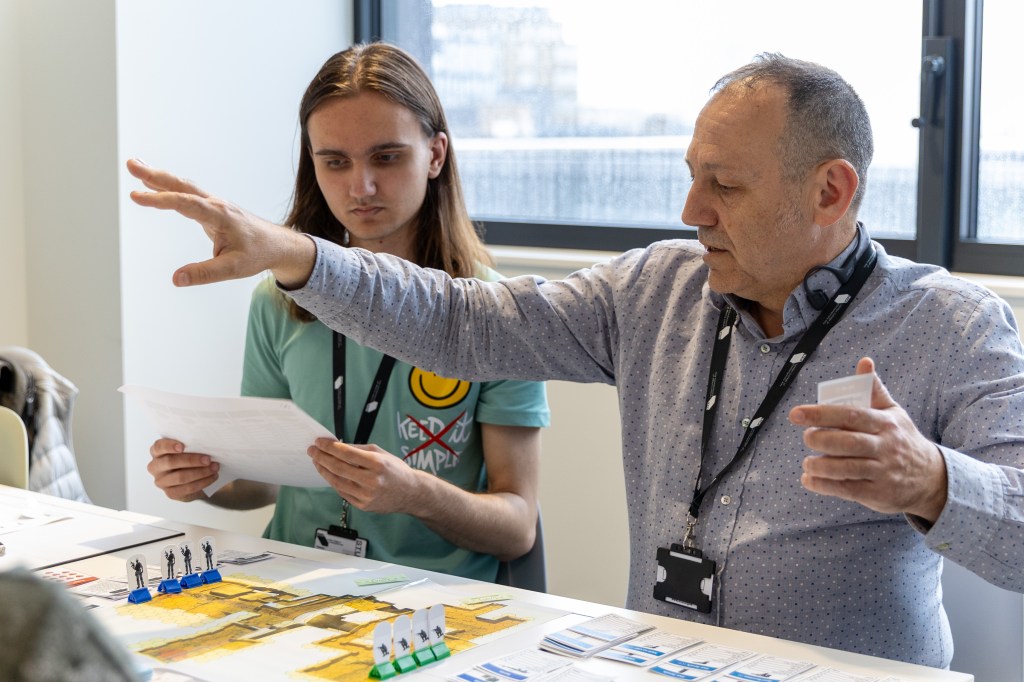
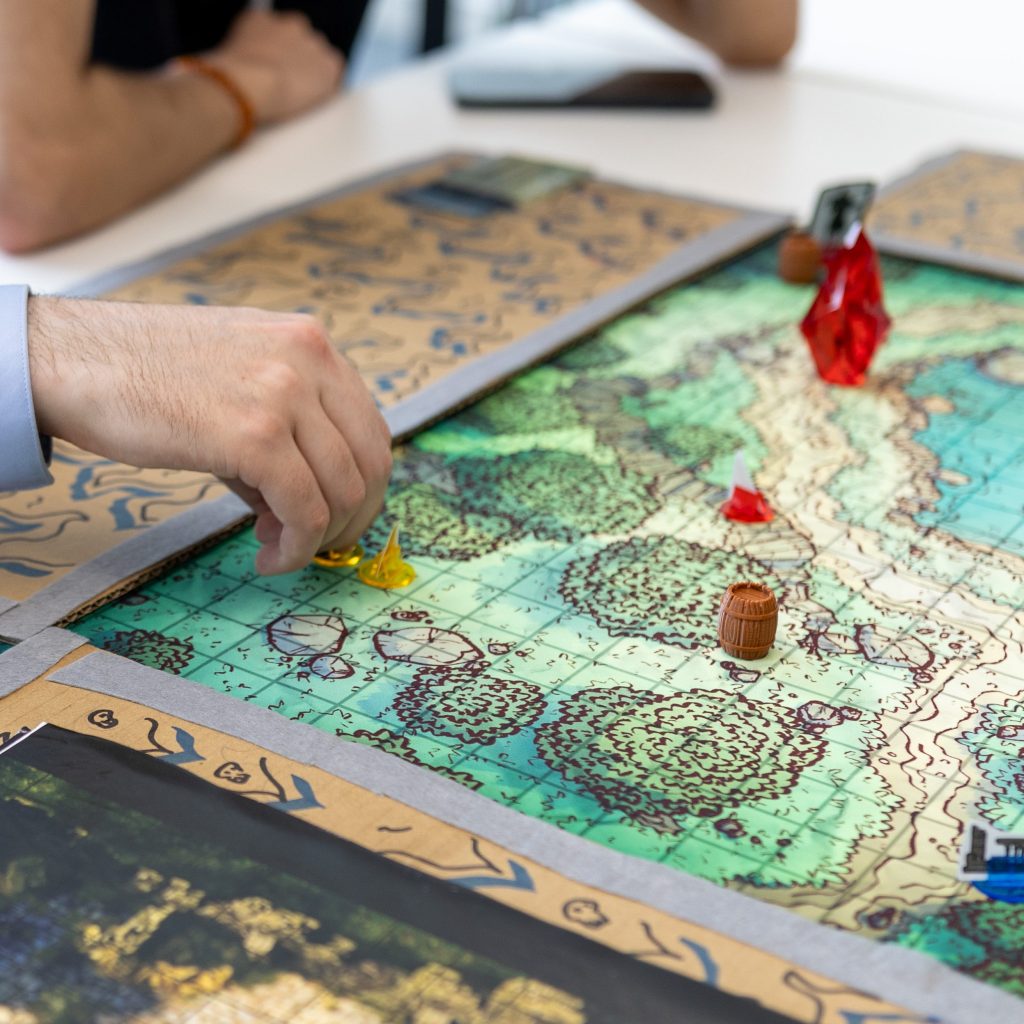
Through dedicated Games Studio Practice modules, you’ll work in multidisciplinary teams to plan, prototype and develop original games in a studio-style environment that reflects professional game development workflows. Alongside building technical expertise in modelling, texturing, lighting and material creation, you’ll explore how visual design shapes player experience and immersive game worlds.
Using industry-standard software including Maya, ZBrush and Unreal Engine 5, you’ll build a professional portfolio throughout your studies that showcases your artistic development, technical skills and creative projects. As you prepare for a career in the games industry, you’ll graduate with practical experience and a body of work that demonstrates your abilities as a games artist.
Skills you’ll learn
- 3D modelling for games
- Digital sculpting
- Character and creature design
- Environment art and world building
- Hard surface modelling
- Lighting, textures and materials
- UV mapping and texturing workflows
- Visual storytelling
- Maya and ZBrush workflows
- Unreal Engine 5 development
- Collaborative game production
- Professional portfolio development
Industry Partners & Collaborators






COURSE STRUCTURE
What will you learn on a Computer Games Art course?
Throughout the course, you’ll explore games art, visual storytelling and digital asset creation while building a portfolio of practical work. Your learning will progress from core artistic and technical principles to advanced 3D modelling, digital sculpting and collaborative games projects. The course is available as either a three-year degree or a four-year degree with Foundation Year.
FOUNDATION YEAR: Learn the foundations of creative art and design
Our Foundation Year gives you the creative, technical and academic foundations needed for degree-level study in the UK. Through practical projects, research and creative exploration, you’ll build confidence, develop key skills and begin creating a portfolio of work.
Visual Culture
Explore how art, design and media communicate ideas and influence the world around us. You’ll develop visual analysis and critical thinking skills while learning how cultural, social and technological influences shape contemporary creative practice.
English for Academic Purposes, Research & Study Skills
Build the academic skills needed for university study, including research, critical thinking, academic writing and presentation. You’ll learn how to communicate ideas clearly, evaluate sources and develop confidence in your academic practice.
Games Art and Design
Through this specialised pathway, you’ll explore the creative and technical foundations of computer games while developing an understanding of how games are created and developed.
Final Major Project
Complete a self-directed creative project that brings together the skills you’ve developed throughout your Foundation year. From initial research and experimentation all the way through to a finished outcome, you’ll demonstrate your creativity, problem-solving and readiness for degree-level study.
Year 1: Learn the principles of games art and visual storytelling
In Year 1, you’ll build a strong foundation in games art, combining creative development with technical production skills. You’ll explore how visual design shapes player experience while developing practical skills in 3D modelling, asset creation and visual storytelling using industry-standard software and game engines.
Games Design Concepts and Visual Storytelling
Explore visual storytelling techniques, player engagement and game design principles while learning how visual elements, environments and assets contribute to immersive gameplay experiences.
Games Studio Practice 1
Work in multidisciplinary teams to plan, prototype and test an original game, developing collaborative skills that reflect professional game development studios.
Introduction to 3D Asset Creation for Games
Develop core 3D modelling and asset creation skills while learning industry-standard workflows used to create game-ready characters, props and environments.
Lighting, Textures and Materials
Learn how lighting, texturing and material creation influence the visual style of games while developing practical skills in shading, UV mapping and asset optimisation for real-time environments.
Year 2: Develop advanced 3D art skills and collaborative projects
In Year 2, you’ll expand your creative and technical expertise, developing specialist skills in environment art, character creation and hard surface modelling. Working on increasingly ambitious projects, you’ll refine your artistic practice while exploring advanced production techniques used throughout the games industry.
Games Environments: 2D Art and 3D Modelling
Work in multidisciplinary teams to develop and refine an original game through rapid prototyping, iterative development and collaborative production workflows.
Games Studio Practice 2
Here, you’ll again collaborate with Games Design students to design, prototype and test an original game. Through rapid and iterative prototyping, you’ll take a concept to a more advanced stage, gaining insight into how professional studios manage development cycles.
Hard Surface Modelling and Mechanical Asset Design
Create detailed vehicles, weapons and mechanical assets while developing advanced hard surface modelling techniques used in professional game art production.
Games Characters: 3D Modelling and Digital Sculpting
Design and create original game characters through advanced 3D modelling and digital sculpting, exploring anatomy, proportions, character design and player connection.
Year 3: Build your final major project and professional art portfolio
In your final year, you’ll bring together everything you’ve learned to create ambitious games art projects that showcase your technical skills, creative vision and professional practice. Focusing on portfolio development, advanced asset creation and collaborative production, you’ll produce industry-ready work that reflects your individual interests and career goals.
Games Studio Practice 3
Work as part of a multidisciplinary team to develop a game through production, creating assets and contributing to a playable vertical slice that demonstrates the project’s visual quality and creative direction.
Final Year Project: Pre-Production
Research, develop and pitch your final major project, defining its scope, concept and production plan while exploring contemporary practices in games art and digital media.
Final Year Project and Professional Portfolio Curation
Produce a substantial final project and curate a professional portfolio that showcases your artistic strengths, technical abilities and creative interests, preparing you for careers across the games industry.
What jobs can I get with a Computer Games Art degree?
Graduates from a computer games art degree can explore careers across games, interactive media and digital entertainment. You could work in areas including character art, environment art, asset creation, technical art and visual development, creating content for console, PC, mobile and emerging platforms.
Some examples include:
• Games Artist
• Character Artist
• Environment Artist
• 3D Artist
• Creature Artist
• Technical Artist
• Prop Artist
• Hard Surface Artist
• Junior Asset Artist
• Concept Artist
Beyond the games industry, graduates can explore careers in animation, film and television, virtual production, immersive technologies, architecture, product visualisation and digital media, where expertise in 3D visualisation and real-time technologies is increasingly sought after.
WHAT’S IT LIKE STUDYING AT LCCA?
Career Focus: at LCCA, you’ll find excellent teaching, career-focused learning and a welcoming environment that encourages you to thrive.

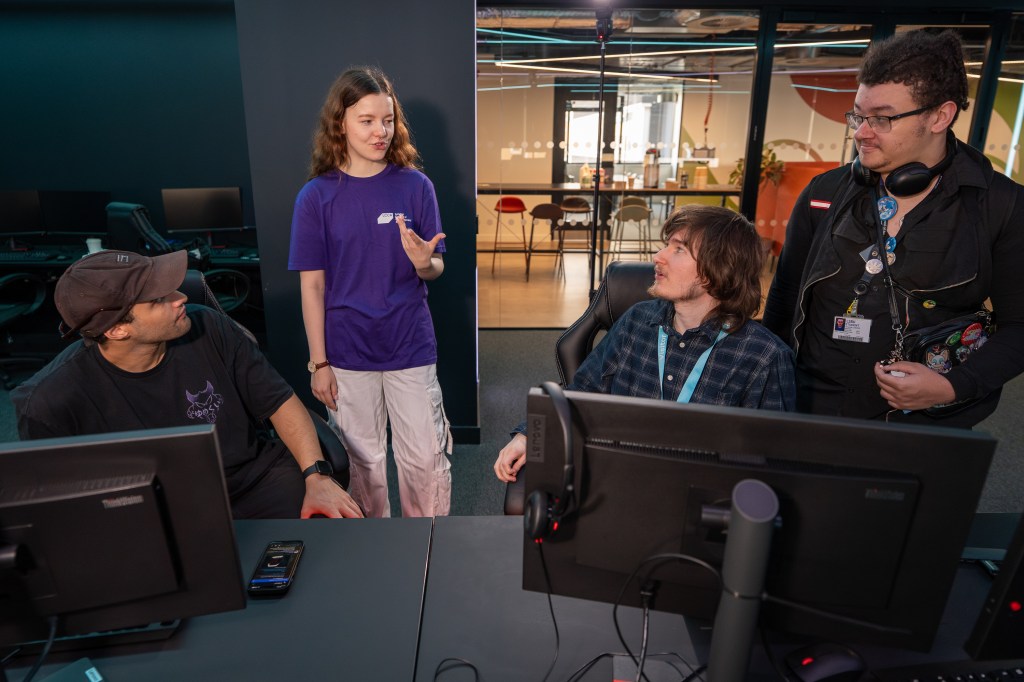
Dedicated Facilities: our campuses are equipped with specialist facilities and industry-standard tools, giving you the space and support to push your creativity further.

Industry Insight: our teachers are experts in their fields, enriching your learning experience by giving you access to the latest industry knowledge and networks across their creative specialisms.

Creative Specialist: Your LCCA degree is awarded by University for the Creative Arts, the UK’s #2 creative specialist university.
We provide dedicated facilities to help you produce work to an industry-standard level and prepare for a bright future. These resources ensure that, upon graduation, you’ll feel ready to start working from day one.
At LCCA, you’ll have access to a wide range of specialist facilities across the college, including:
Games Labs equipped with industry software such as GameMaker, Autodesk Maya, Unreal Engine, Cinema 4D and Adobe Creative Cloud applications.
Our students also have access to online library from UCA.
Whether you’re starting your first degree or returning to education to take your career in a new direction, LCCA connects you to industry networks that matter. With strong professional links and hands-on opportunities, you’ll build skills, gain real experience and make the connections that open doors.
Recent industry partners include:
· BAFTA Games Awards
· nDreams
· Guildford Games Festival
· EGX
· ukie
WHAT OUR STUDENTS SAY





STUDENT WORK




what are the entry requirements for this course?
The standard entry requirements** for this course are:
32 UCAS tariff points from accepted qualifications*
Pass at Foundation Diploma in Art & Design (Level 3 or 4)
Merit, Pass, Pass at BTEC Extended Diploma
Pass at UALAB Extended Diploma
32 new UCAS tariff points from an accredited Access to Higher Education Diploma in appropriate subject
A minimum of 24 points in the International Baccalaureate, see more information about IB entry requirements
And
4 GCSE passes at grade A*-C and/or grade 4-9 including Functional Skills English/Key Skills Communication Level 2.
If your first language is not English, you will need an IELTS score of 6.0 or equivalent. If you require a visa to study in the UK, you will also need a minimum score of 5.5 in each individual component.
112 UCAS tariff points from accepted qualifications**
Pass at Foundation Diploma in Art & Design (Level 3 or 4)
Distinction, Merit, Merit at BTEC Extended Diploma
Merit at UAL Extended Diploma
112 new UCAS tariff points from an accredited Access to Higher Education Diploma in appropriate subject
27 points in the International Baccalaureate, see more information about IB entry requirements
And 4 GCSE passes at grade A*-C and/or grade 4-9 including Functional Skills English and Maths.
If your first language is not English, you will need an IELTS score of 6.0 or equivalent. If you require a visa to study in the UK, you will also need a minimum score of 5.5 in each individual component.
At LCCA, we welcome students who are ready to move on from their current institute and find a new place to study.
All of our UCA-accredited undergraduate degrees offer the option of direct entry into the second year (Level 5), depending on your existing qualifications.
To find out if you’re eligible for direct entry, simply contact us to discuss your admissions options.
Foundation UK/EU citizens – £5,760 per annum
Undergraduate Fees: UK/EU citizens £9,790 per annum
Note:
*To see the accepted QCF qualifications, visit: http://uca.ac.uk/study/accepted-qualifications/
**We occasionally make offers which are lower than the standard entry criteria, to students who have faced difficulties that have affected their performance and who were expected to achieve higher results.
Other relevant and equivalent Level 3 UK and international qualifications are considered on an individual basis, and we encourage students from diverse educational backgrounds to apply
Getanswersabout LCCA’s games art degree
Games art focuses on the visual elements of a game, including characters, environments, assets, lighting and animation. Games design focuses on how a game plays, covering areas such as gameplay mechanics, level design and player experience. On LCCA’s Computer Games Art degree, you’ll develop the artistic and technical skills needed to create the visual worlds that players explore, while collaborating with Games Design students on multidisciplinary projects.
Yes. Throughout the course, you’ll create a range of original game art projects, from characters and environments to props and digital assets. As your skills develop, you’ll build a portfolio of work that showcases your artistic style, technical abilities and creative interests. Your Final Year Project also gives you the opportunity to develop a substantial piece of work aligned with your chosen area of focus.
No. While an interest in art, games and visual storytelling is helpful, you don’t need to be an expert illustrator before starting the course. You’ll develop a range of artistic and technical skills throughout your studies, including 2D art principles, 3D modelling, digital sculpting, texturing and asset creation. What matters most is a willingness to learn, experiment and develop your creative practice.
Games art students work with industry-standard tools and technologies used throughout the games industry, including Maya, ZBrush and Unreal Engine 5. You’ll also gain experience in 3D modelling, digital sculpting, texturing and real-time rendering workflows that reflect professional game art production environments.
London is one of Europe’s leading hubs for games, technology and creative industries, home to developers, publishers, studios and creative businesses of all sizes. Studying in London gives you access to industry events, networking opportunities, guest speakers and a thriving creative community, helping you build connections and gain insight into the rapidly evolving games industry.