

 Duration: Three years (or four years with integrated Foundation in Design and Creative Business Pathway)
 Tuition Fees: Foundation – £5,760 per annum | Undergraduate – £9,790 per annum






Subject to approval*
OVERVIEW
WHY GET A DEGREE IN GRAPHIC DESIGN?
With LCCA’s BA (Hons) Graphic Design degree, you’ll learn how to create impactful visual communication across print, digital and interactive platforms. Combining creativity, technical expertise and strategic thinking, you’ll explore how design shapes the way people engage with brands, products and ideas.
Throughout the course, you’ll develop specialist skills in typography, brand identity design, editorial design, motion graphics, user experience design and digital communication. You’ll learn how to research audiences, interpret briefs and create effective design solutions while exploring the cultural, social and technological influences shaping contemporary design practice.
Practical projects, industry-focused briefs and collaborative challenges will help you gain experience of professional design workflows while building confidence in presenting ideas and solving creative problems. By graduation, you’ll have developed a professional portfolio that showcases your creative identity, technical skills and design thinking, preparing you for careers across graphic design, branding, digital media and the wider creative industries.
Skills you’ll learn
- Graphic design and visual communication
- Typography and editorial design
- Brand identity design
- Motion graphics
- UX/UI design
- Design research and concept development
- Digital design and content creation
- Experiential and spatial design
- Design strategy and audience engagement
- Adobe Creative Suite
- Professional portfolio development
COURSE STRUCTURE
What will you learn on a Graphic Design course?
Throughout the course, you’ll explore visual communication, branding, digital design and creative problem-solving while building a portfolio of practical work. Your learning will progress from core design principles and technical skills to advanced branding, user experience design, motion graphics and self-directed creative projects. The course is available as either a three-year or a four-year degree with Foundation Year.
FOUNDATION: Learn the foundations of design and visual communication
Our Foundation Year gives you the creative, technical and academic foundations needed for degree-level study in the UK. Through practical projects, research and creative exploration, you’ll build confidence, develop key skills and begin creating a portfolio of work.
Visual Culture
Explore how art, design and media communicate ideas and influence the world around us. You’ll develop visual analysis and critical thinking skills while learning how cultural, social and technological influences shape contemporary creative practice.
English for Academic Purposes, Research & Study Skills
Build the academic skills needed for university study, including research, critical thinking, academic writing and presentation. You’ll learn how to communicate ideas clearly, evaluate sources and develop confidence in your academic practice.
Final Major Project
Complete a self-directed creative project that brings together the skills you’ve developed throughout your Foundation year. From initial research and experimentation all the way through to a finished outcome, you’ll demonstrate your creativity, problem-solving and readiness for degree-level study.
Year 1: Learn the principles of graphic design and visual communication
In Year 1, you’ll build a strong foundation in graphic design by developing core creative, technical and communication skills. Through studio practice, experimentation and project work, you’ll explore typography, branding, motion graphics and visual storytelling while learning how to communicate ideas effectively across a range of media and platforms.
Graphic Visual Communication
Develop a strong understanding of typography, editorial design and visual communication principles. You’ll learn how to combine text and imagery effectively and create engaging design outcomes for both print and digital formats.
Motion Graphics
Explore storytelling, movement and screen-based design through motion graphics. You’ll learn how animation and interactive visual elements can be used to communicate ideas and engage audiences across digital platforms.
Design, Creativity and Innovation
Develop your own creative direction through a self-directed programme of work that encourages experimentation, reflection and portfolio development. You’ll explore different approaches to design practice while building confidence in communicating your ideas and developing a distinctive creative identity.
Brand Identity Systems
Learn how successful brands communicate through visual identity systems. You’ll develop branding projects that combine strategy, typography, image-making and visual design while exploring how brands operate across print, digital, motion and experiential contexts.
Year 2: Develop advanced digital design skills and industry experience
In Year 2, you’ll expand your creative and technical expertise while exploring how graphic design operates across digital, social and physical environments. You’ll develop specialist skills in user experience design, campaign development and experiential communication while gaining valuable insight into professional design practice through industry projects and work placement opportunities.
Design Thinking
Explore the principles of human-centred design while developing skills in UX/UI design, user research and digital problem-solving. You’ll learn how to create intuitive and engaging user experiences while balancing usability, accessibility and visual communication.
Social and Cultural Context
Examine how graphic design can respond to social, cultural and environmental issues through campaigns, visual narratives and impact messaging to promote conversations for change.
Experiential Design
Exploring the role of graphic design in exhibitions, installations, events and brand experiences. You’ll develop concepts that combine typography, graphic systems, motion and spatial communication while learning how audiences interact with design in immersive environments.
Working in the Creative Industries
Gain first-hand experience of professional design practice through a work placement or industry-focused project. Alongside developing your portfolio, you’ll build valuable skills in client communication, professional collaboration and project management.
Year 3: Build your professional portfolio and creative identity
In your final year, you’ll bring together everything you’ve learned to produce ambitious, self-directed design work that reflects your creative interests and professional ambitions. Focusing on innovation, research and portfolio development, you’ll refine your individual design identity while creating industry-ready work that prepares you for employment, freelance practice or postgraduate study.
Design Futures
Explore the future of graphic design through live briefs, competition projects and speculative design practice to develop forward-thinking creative work.
Major Project 1: Proposal
Research, define and develop your final major project through critical enquiry, experimentation and concept development. You’ll investigate audiences, contexts and contemporary design practice to produce a detailed project proposal.
Major Project 2: Resolution
Realise your final major project to demonstrates your creative identity, technical expertise and professional ambitions. You’ll create a professionally resolved project and portfolio that showcase your design skills, strategic thinking and readiness for a career in the creative industries.
What jobs can I get with a Graphic Design degree?
A graphic design degree can open the door to a wide range of careers across branding, digital design, advertising, publishing and the wider creative industries. Graduates develop a combination of creative, technical and strategic skills that can be applied across design agencies, in-house creative teams, studios, start-ups and freelance practice.
Some examples include:
• Graphic Designer
• Brand Designer
• Visual Designer
• Motion Graphics Designer
• UX Designer
• UI Designer
• Digital Designer
• Experiential Designer
• Exhibition Designer
• Creative Designer
What’s it like studying at LCCA?
Career Focus: at LCCA, you’ll find excellent teaching, career-focused learning and a welcoming environment that encourages you to thrive.

Dedicated Facilities: our campuses are equipped with specialist facilities and industry-standard tools, giving you the space and support to push your creativity further.

Industry Insight: our teachers are experts in their fields, enriching your learning experience by giving you access to the latest industry knowledge and networks across their creative specialisms.
Creative Specialist: your LCCA degree is awarded by University for the Creative Arts, the UK’s #2 creative specialist university.
We provide dedicated facilities to help you produce work to an industry-standard level and prepare for a bright future. These resources ensure that, upon graduation, you’ll feel ready to start working from day one.
At LCCA, you’ll have access to a wide range of specialist facilities across the college, including:
Mac studios with 110 Apple iMacs, equipped with software such as GameMaker, Autodesk Maya, Unreal Engine, Cinema 4D and Adobe Creative Cloud applications.
WGSN access and digital library resources through UCA – WGSN is a leading trend forecasting platform for fashion and design businesses.
Printmaking studio for hands-on experimentation.
Our students also have access to online library from UCA.
Whether you’re starting your first degree or returning to education to take your career in a new direction, LCCA connects you to industry networks that matter. With strong professional links and hands-on opportunities, you’ll build skills, gain real experience and make the connections that open doors.
Recent industry partners include:
· John Lewis
· Represent Recruitment
· Penguin Publishing Group
· BP
· Amnesty International
WHAT OUR STUDENTS SAY


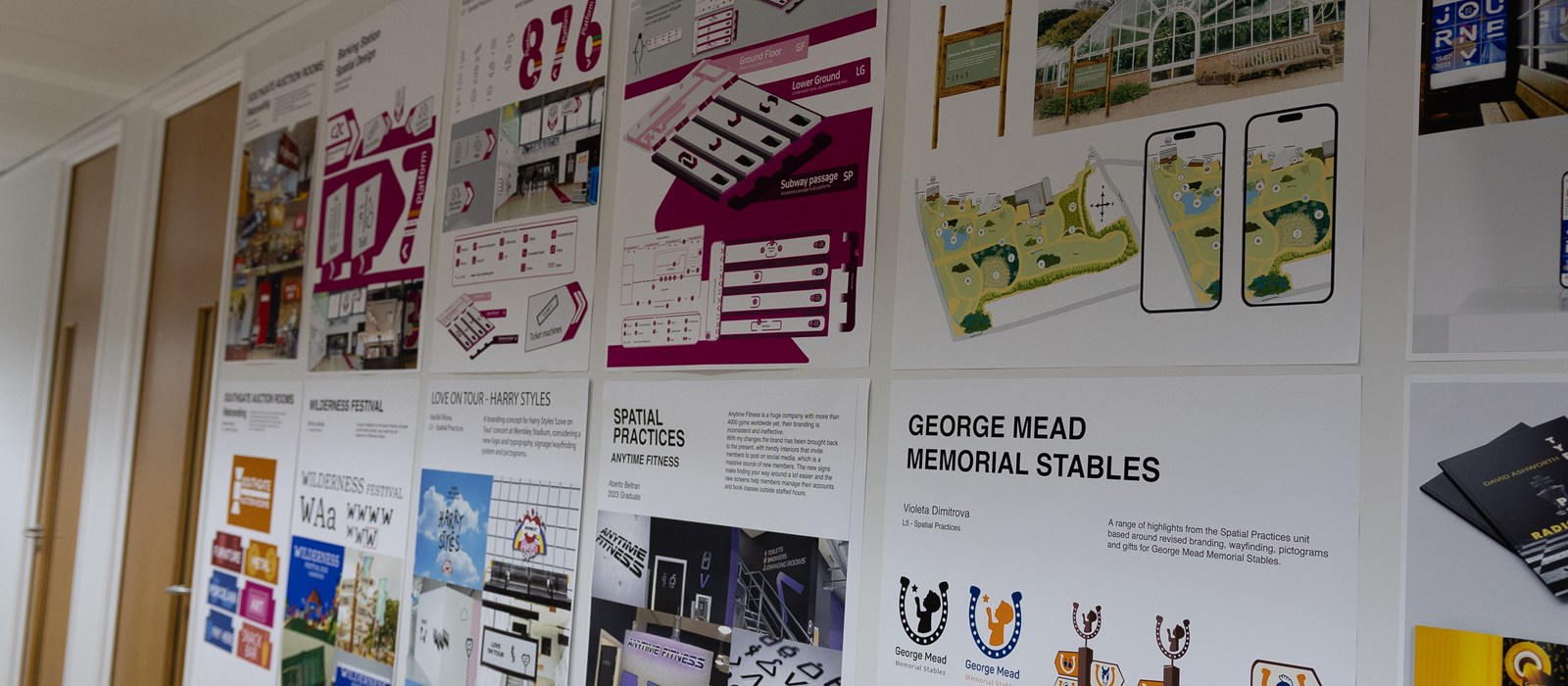
STUDENT WORK

What are the entry requirements for this course?
The standard entry requirements** for this course are one of the following:
32 UCAS tariff points from accepted qualifications*
Pass at Foundation Diploma in Art & Design (Level 3 or 4)
Merit, Pass, Pass at BTEC Extended Diploma
Pass at UALAB Extended Diploma
32 UCAS tariff points from an accredited Access to Higher Education Diploma in appropriate subject
A minimum of 24 points in the International Baccalaureate
And 4 GCSE passes at grade A*-C and/or grade 4-9 including Functional Skills English/Key Skills Communication Level 2.
If your first language is not English, you will need an IELTS score of 6.0 or equivalent.
The standard entry requirements** are one of the following:
112 UCAS tariff points from accepted qualifications*
Pass at Foundation Diploma in Art & Design (Level 3 or 4)
Distinction, Merit, Merit at BTEC Extended Diploma
Merit at UAL Extended Diploma
112 new UCAS tariff points from an accredited Access to Higher Education Diploma in an appropriate subject
27 points from the International Baccalaureate
And four GCSE passes at grade A*-C and/or grade 4-9 including English and Maths
If your first language is not English, you will need an IELTS score of 6.0 or equivalent.
At LCCA, we welcome students who are ready to move on from their current institute and find a new place to study.
All of our UCA-accredited undergraduate degrees offer the option of direct entry into the second year (Level 5), depending on your existing qualifications.
To find out if you’re eligible for direct entry, simply contact us to discuss your admissions options.
Foundation UK/EU citizens – £5,760 per annum
Undergraduate Fees: UK/EU citizens £9,790 per annum
Note:
*To see the accepted QCF qualifications, visit: http://uca.ac.uk/study/accepted-qualifications/
*Other relevant and equivalent Level 3 UK and international qualifications are considered on an individual basis, and we encourage students from diverse educational backgrounds to apply.
*We occasionally make offers below the standard entry criteria for students who have faced challenges that affected their performance and who were expected to achieve higher results.
getanswersabout lcca’s graphic design degree
Not necessarily. Graphic design is about more than producing perfectly detailed drawings. It focuses on building the skills to communicate ideas through typography, branding, imagery, layout and digital media. While you’ll often sketch concepts during the design process, what matters most is creativity, curiosity and a willingness to develop your ideas.
Yes. Alongside developing core graphic design skills, you’ll learn how to create digital experiences for websites, apps and other platforms. You’ll explore user research, prototyping and interface design while developing an understanding of how usability, accessibility and visual communication work together.
Yes. Portfolio development is embedded throughout the course. As you complete projects in branding, typography, motion graphics, UX/UI and visual communication, you’ll build a body of work that showcases your skills, creative thinking and individual design approach.
Graphic designers may use AI to support creative workflows including research, ideation, prototyping and image generation. This course also encourages critical discussion around topics such as authorship, ethics, bias and copyright, helping you to gain a clear understanding of AI’s role within contemporary design practice.
London is one of the world’s leading creative capitals, home to design studios, branding agencies, publishers, technology companies and cultural organisations. Studying in London gives you access to industry events, exhibitions, networking opportunities and a thriving creative community.