

 Duration: Three years
 Tuition Fees: 2026/27 Foundation and Undergraduate Fees – £9,790 per annum







course overview
Why get a degree in Fashion?
Define your signature style and learn how to transform concepts into collections that make an impact. On this BA (Hons) Fashion degree in London, you’ll explore the cultural, economic and sustainable practices shaping fashion today while mastering the technical skills to design for tomorrow. From your first year, you’ll take ideas from sketchbook to finished garment, developing skills in draping, fabric manipulation, pattern cutting, textile construction and garment manufacturing.
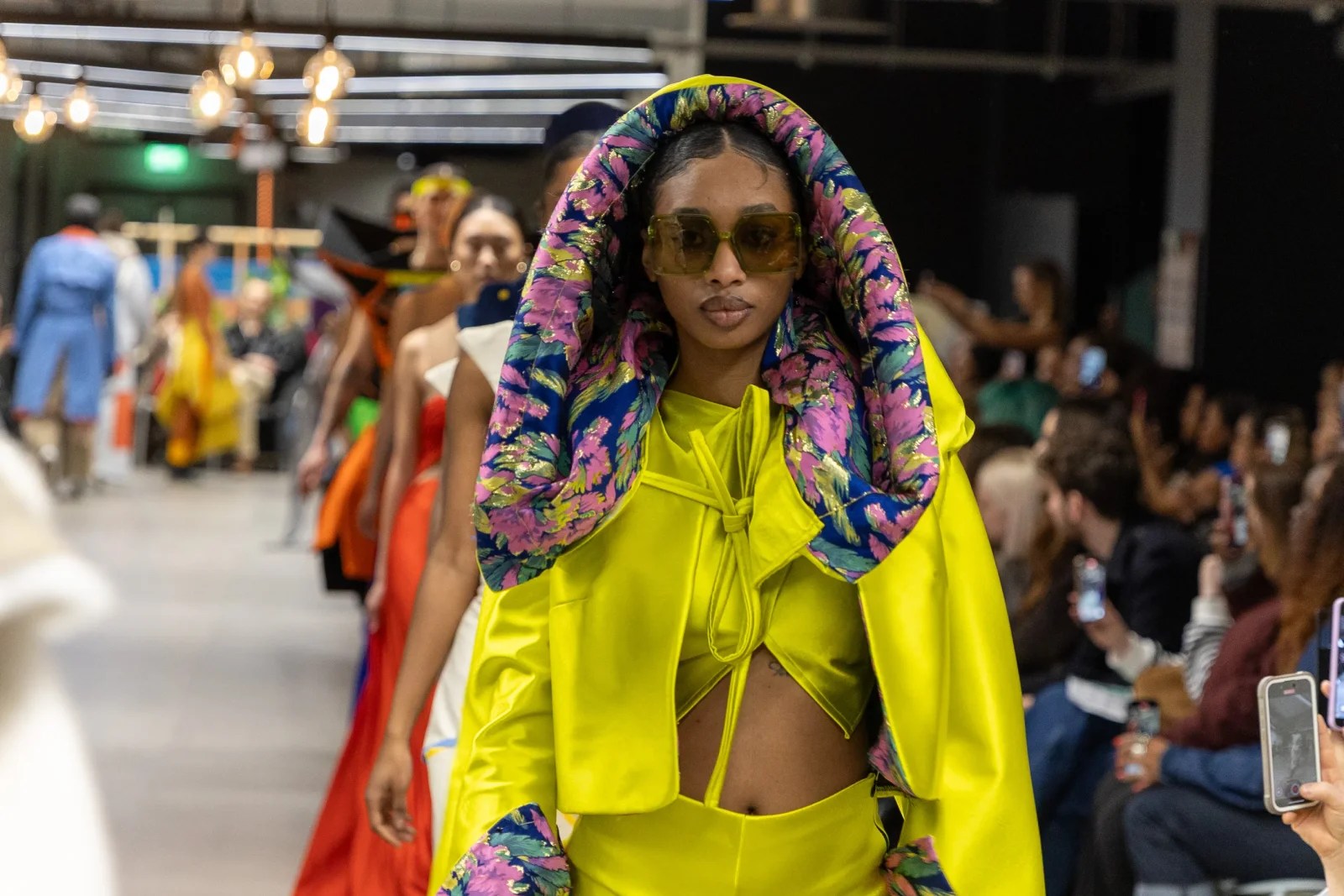
On this course, your learning goes far beyond the studio. Live briefs with brands, portfolio development and computer-aided design sessions connect you directly to industry practice. Past students have collaborated with labels such as Oh Polly on projects exploring trend forecasting, sustainability and brand identity, reworking garments into fresh creations and presenting them on the catwalk with real professional feedback.
Collaboration runs through every stage of the course, reflecting how the fashion world really works. You’ll graduate with a distinct collection, industry experience and the confidence to step into careers across the fashion industry, from designer and buyer to stylist, textile designer or visual merchandiser.
COURSE STRUCTURE
YEAR 1 (LEVEL 4)
Throughout Year 1 of this course, you will be introduced to a range of contemporary design practices used to encourage innovative creativity during the design process.
Introduction to Design
To ease you into your first year, you’ll learn to think innovatively about the products you’re creating. You’ll undertake a range of project briefs to develop your 2D and 3D design skills, as well as design problem solving. This is an excellent starting point for understanding the fashion industry and engaging with your unique fashion identity.
Visual Communication
In this module, you’ll use life drawing, design sketching, fashion illustration and technical drawings to gain the skills needed to bring your ideas to life and begin growing an industry-ready portfolio. Through creative workshops, you’ll have the opportunity to merge theory with practice.
Creative Cutting and Construction
In this module, you’ll develop core skills in pattern cutting and sewing, alongside more advanced techniques in garment construction. Through practical workshops, you’ll learn how to translate your design ideas into well-crafted pieces with technical precision.
Introduction to Fashion History and Theory
In this module, you’ll explore the origins of designs and trends by studying the foundations of historical fashion. Through analysing texts and visual material, you’ll gain insight into how theory shapes practice and begin to connect past influences with contemporary fashion.
YEAR 2 (LEVEL 5)
In your second year, you’ll develop advanced techniques in tailoring, draping and design, while deepening your knowledge of the fashion world. You’ll also gain hands-on experience through a work placement, giving you the chance to apply what you’ve learned in the studio to real industry settings.
Innovative Design Practice
Building on your first-year skills, you’ll learn how to create a half-tailored jacket, thinking about how your own ideas can be incorporated into the garment. You’ll also extend your creative practices and consider further design concepts related to 2D and 3D practices.
Creative Drape Practices
In this module, you’ll extend your existing knowledge of contemporary design practices. Working with a mannequin, you’ll bring your ideas to life using both historical and modern cutting and draping techniques.
Professional Practice
This module will prepare you for working in the creative industries. You’ll undertake a 5 week work experience placement to put the skills you’ve learned into practice among real fashion professionals in industry.
Theories of Culture, Identity and Communication
You’ll explore contemporary debates surrounding design culture and begin contributing to them through peer discussions. By engaging with a range of theories and methods for analysis, you’ll deepen your understanding of the issues shaping the field.
YEAR 3 (LEVEL 6)
In your final year, you’ll demonstrate everything you’ve learned throughout the course through a major project and a dissertation.
Final Major Project
Your final year is about combining all your skills to create a body of work that represents your fashion identity via your chosen discipline. You’ll prepare both a pre-collection and a final collection, carrying out significant research to design and present your best possible work.
Professional Portfolio
In preparation for entering the fashion industry, you’ll develop a professional portfolio including self-assessment, career planning, a design portfolio, self-promotion and a personal website. This portfolio will reflect what you’ve achieved in study and your aspirations for the future.
Dissertation
Your dissertation will provide the opportunity to investigate an area of fashion that inspires you. You’ll conduct in-depth research, analyse sources, and develop a clear argument that demonstrates your ability to connect theory with practice.
Career Outlook
A degree in Fashion gives you the creative and technical skills to step into a variety of roles across the industry. With your portfolio and experience, you’ll be ready to pursue positions such as:
Design co-ordinator
Fashion technologist
Product developer
Visual merchandiser
Pattern cutter and seamstress
Fashion buyer
Fashion designer
Retail buyer
Stylist
Textile designer
Clothing/textile technologist
Garment technologist
Shape Your Future withLCCA

Career Focus: at LCCA, you’ll find excellent teaching, career-focused learning and a welcoming environment that encourages you to thrive.

Dedicated Facilities: our campuses are equipped with specialist facilities and industry-standard tools, giving you the space and support to push your creativity further.

Industry Insight: our teachers are experts in their fields, enriching your learning experience by giving you access to the latest industry knowledge and networks across their creative specialisms.

Creative Specialist: your LCCA degree is awarded by University for the Creative Arts, the UK’s #2 creative specialist university.
We provide dedicated facilities to help you produce work to an industry-standard level and prepare for a bright future. These resources ensure that, upon graduation, you’ll feel ready to start working from day one.
At LCCA, you’ll have access to a wide range of specialist facilities across the college, including:
WGSN access and digital library resources through UCA – WGSN is a leading trend forecasting platform for fashion and design businesses.
Fashion studios with 24 industrial sewing machines, overlockers and embroidery machines.
Printmaking studio for hands-on experimentation.
Mac studios with 110 Apple iMacs, equipped with software such as GameMaker, Autodesk Maya, Unreal Engine, Cinema 4D and Adobe Creative Cloud applications.
Our students also have access to online library from UCA .
Whether you’re starting your first degree or returning to education to take your career in a new direction, LCCA connects you to industry networks that matter. With strong professional links and hands-on opportunities, you’ll build skills, gain real experience and make the connections that open doors.
Recent industry partners include:
· Oxfam
· M.C Overalls
· Oh Polly
· Lazy Oaf
· Loanhood
· My Wardrobe HQ
· Fashion Minority Alliance
· Crazy Colour· My Wardrobe HQ
· Juicy Couture
· The NAT
· Vivienne Westwood
· Halpern
· David Koma
· Jordan Luca
· Paul Costelloe
· Dilaria Findikoglu
WHAT OUR STUDENTS SAY
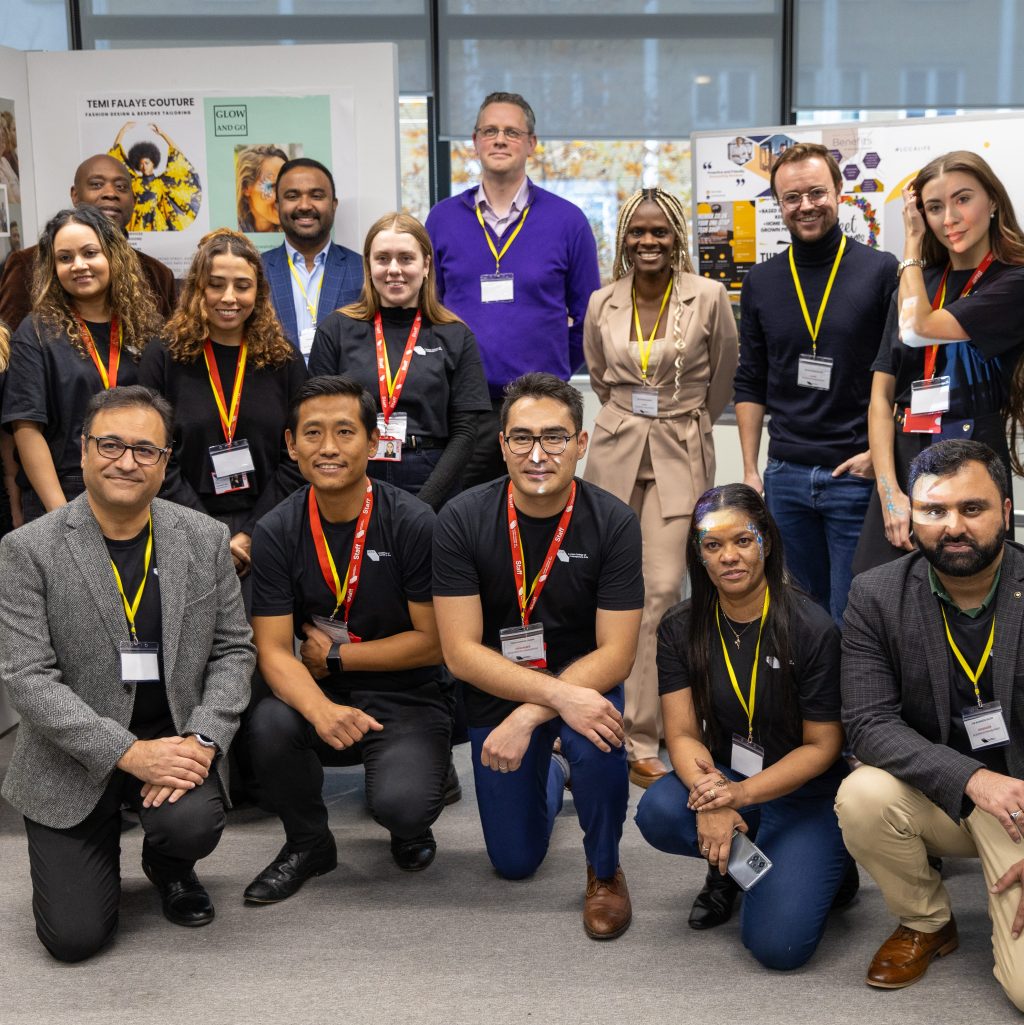
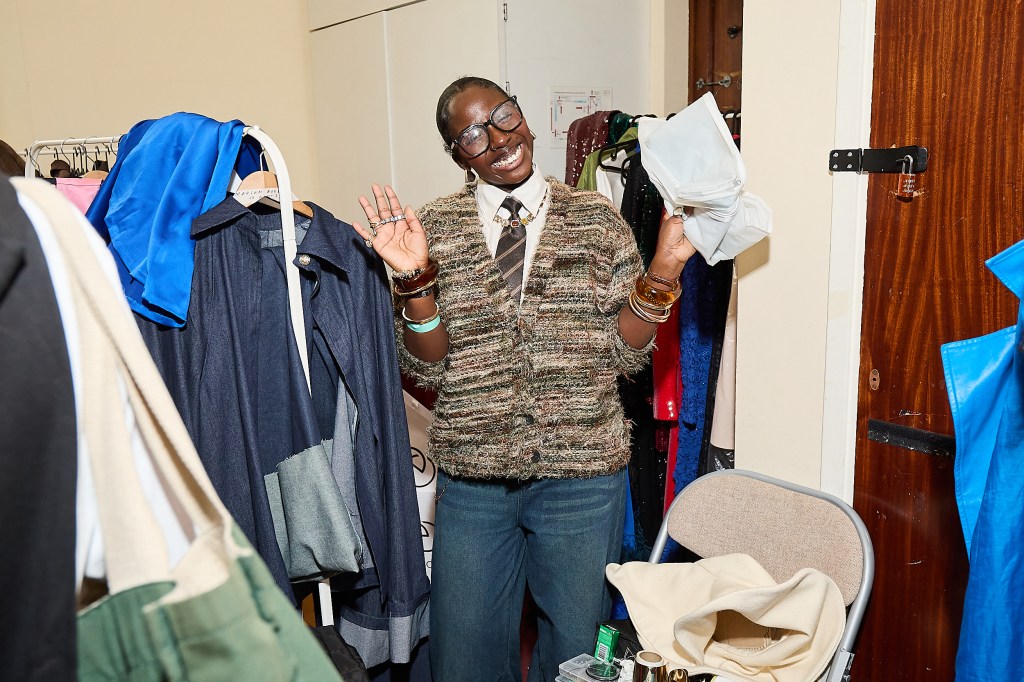
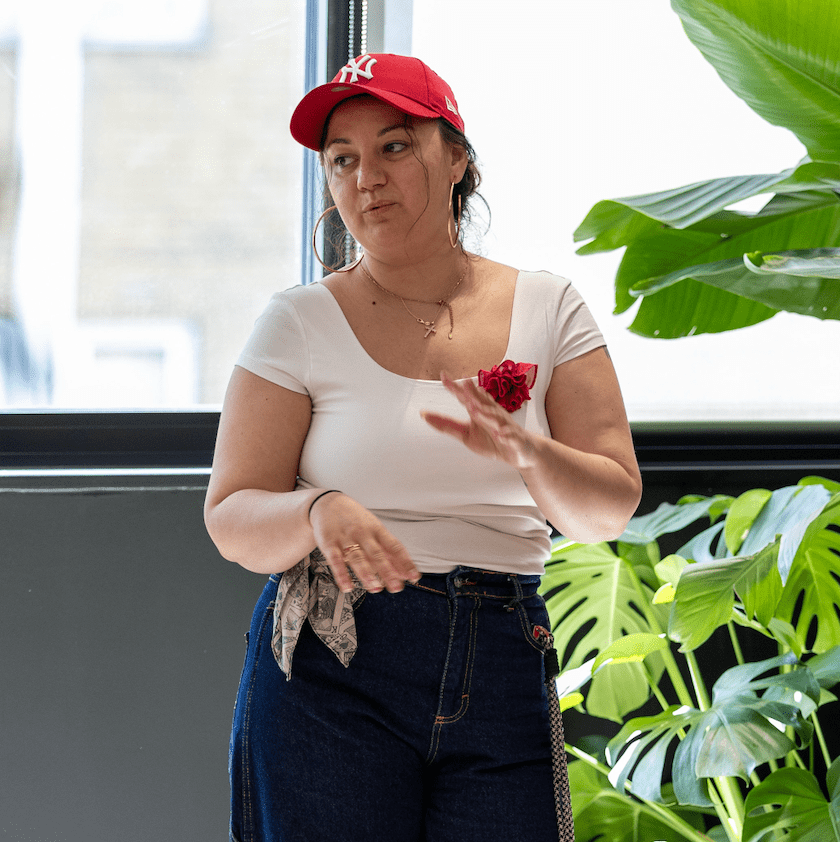
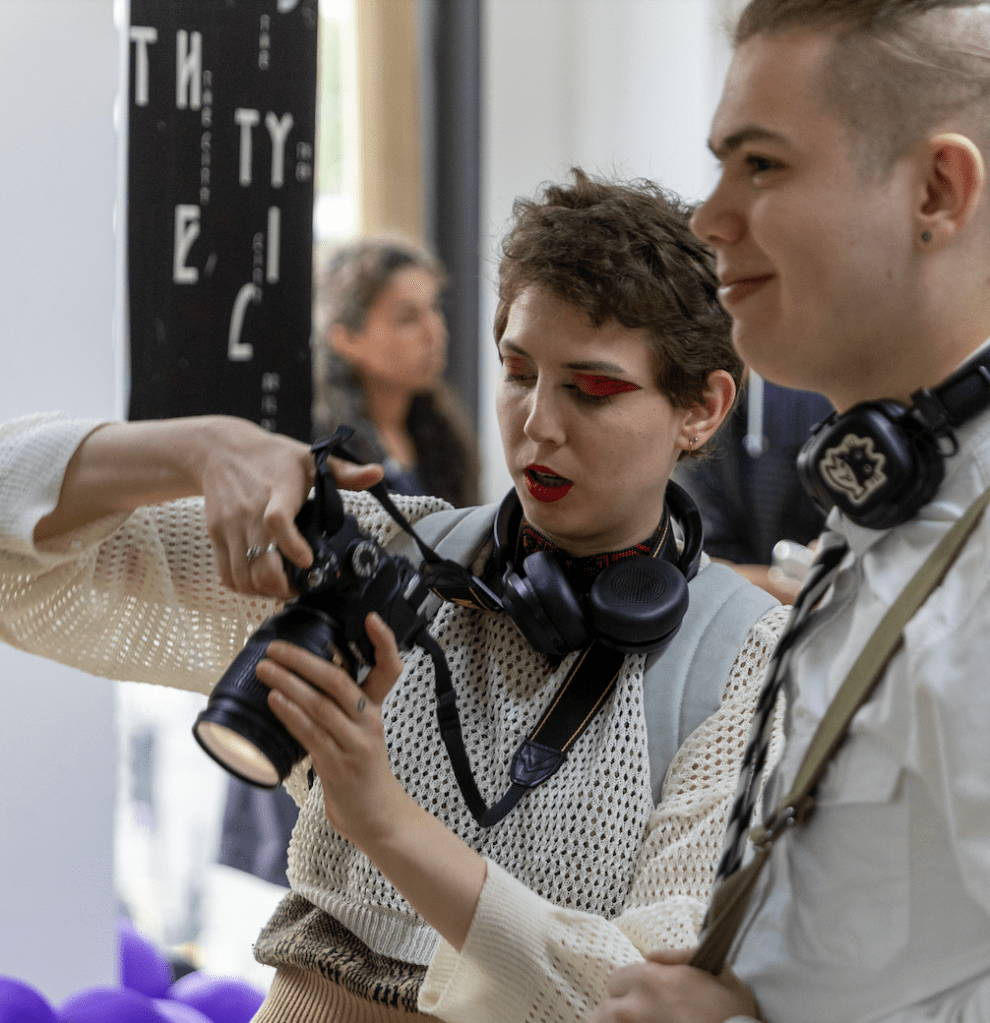
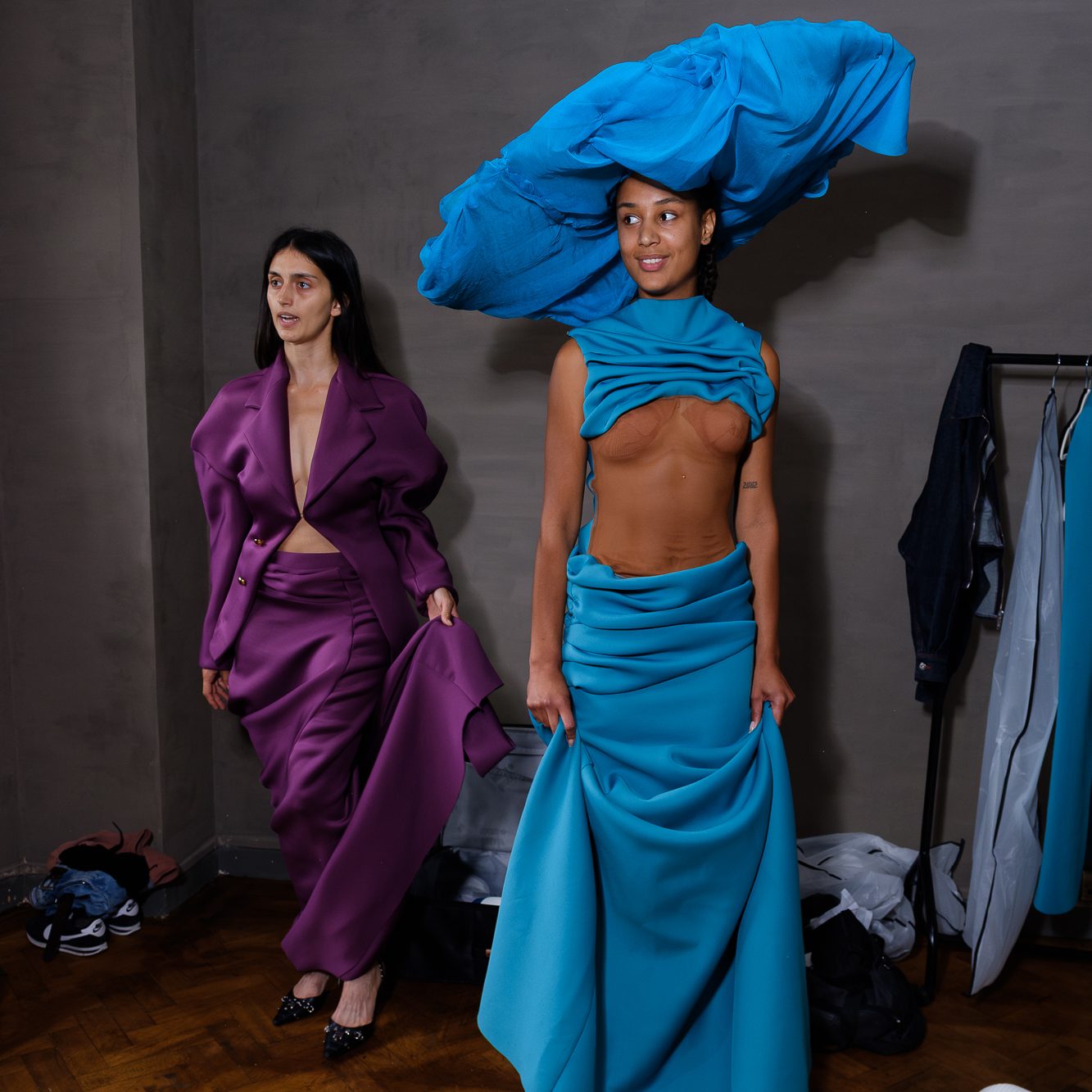
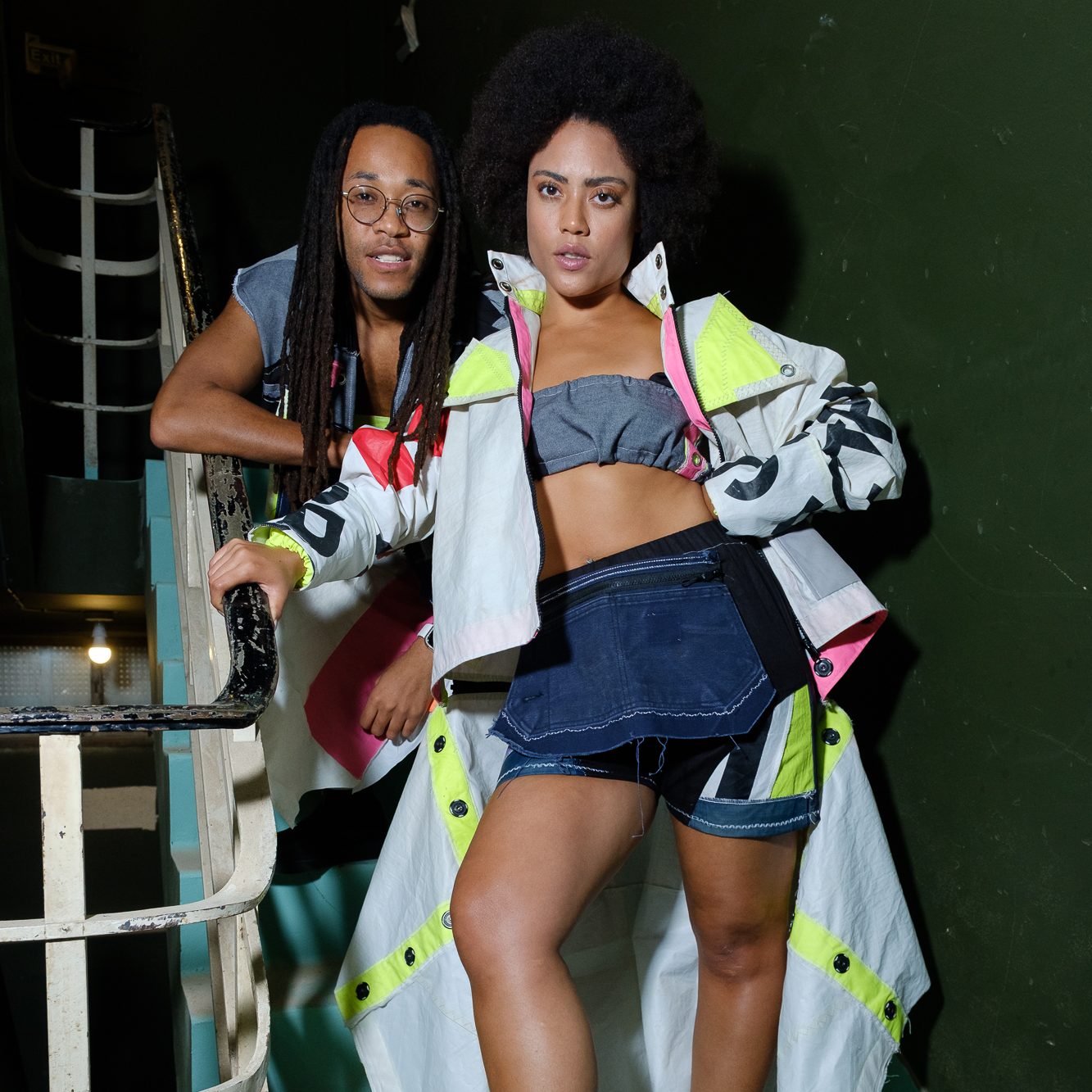
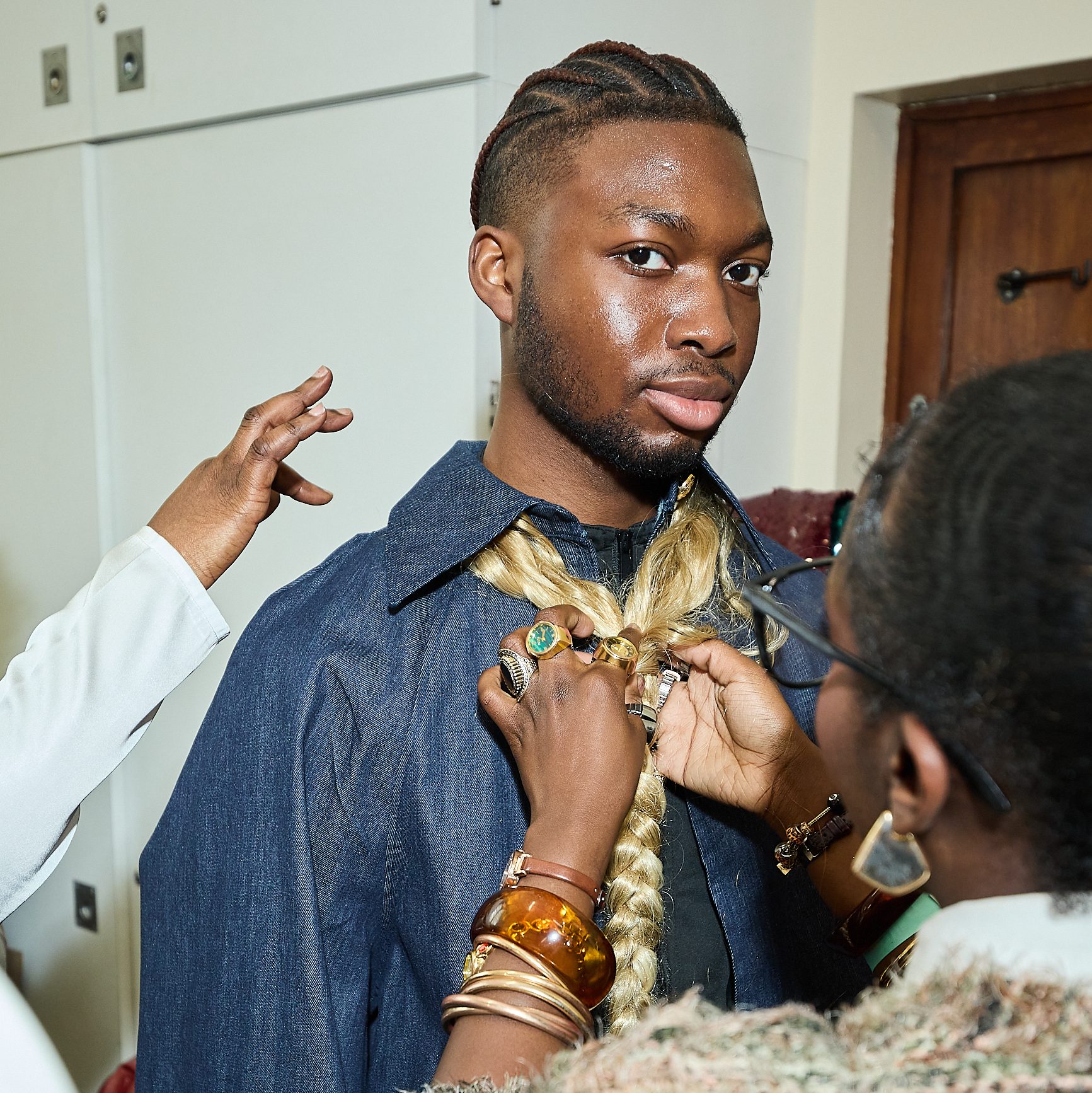
STUDENTS WORK

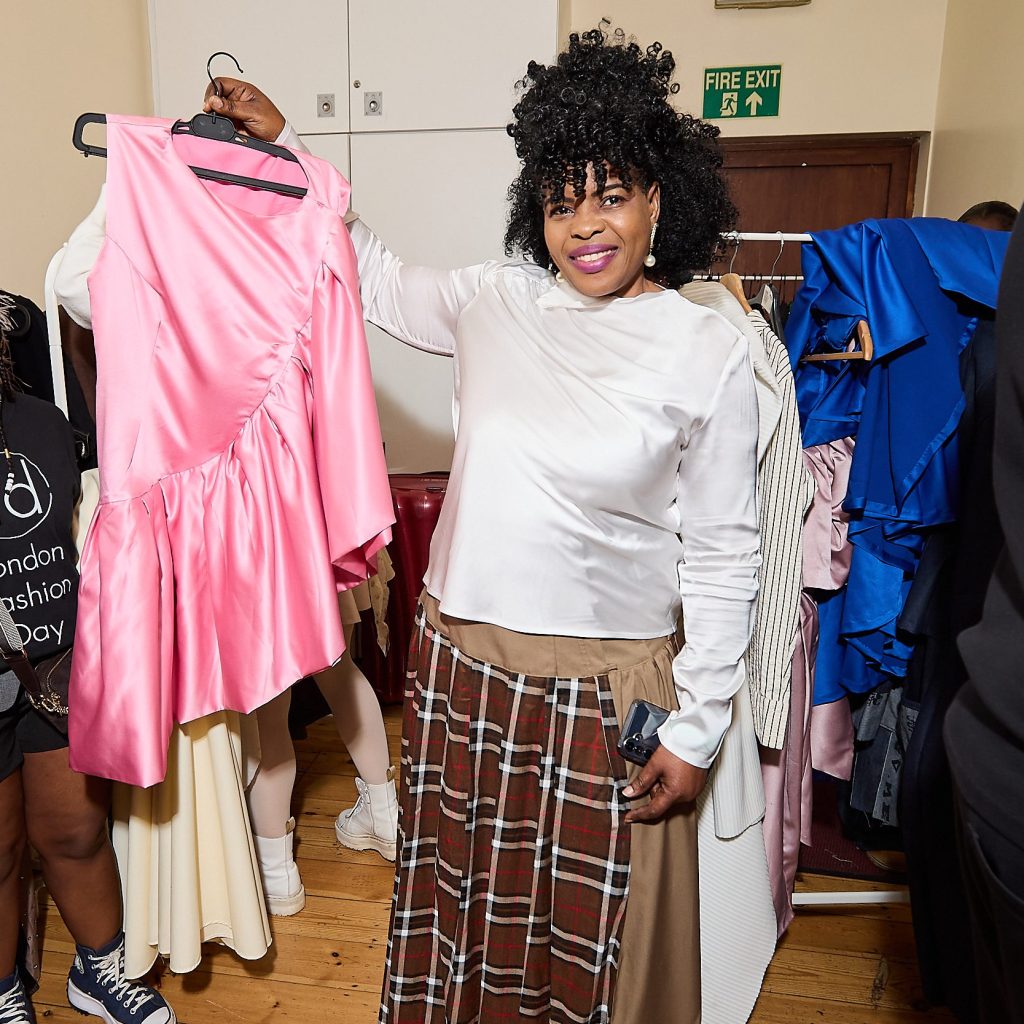
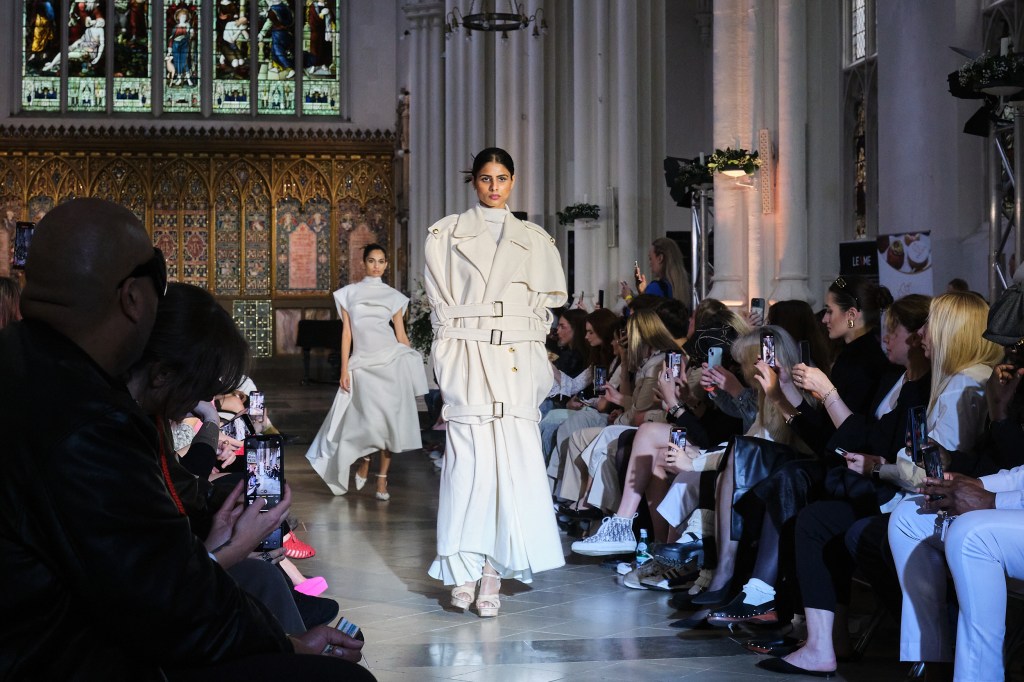
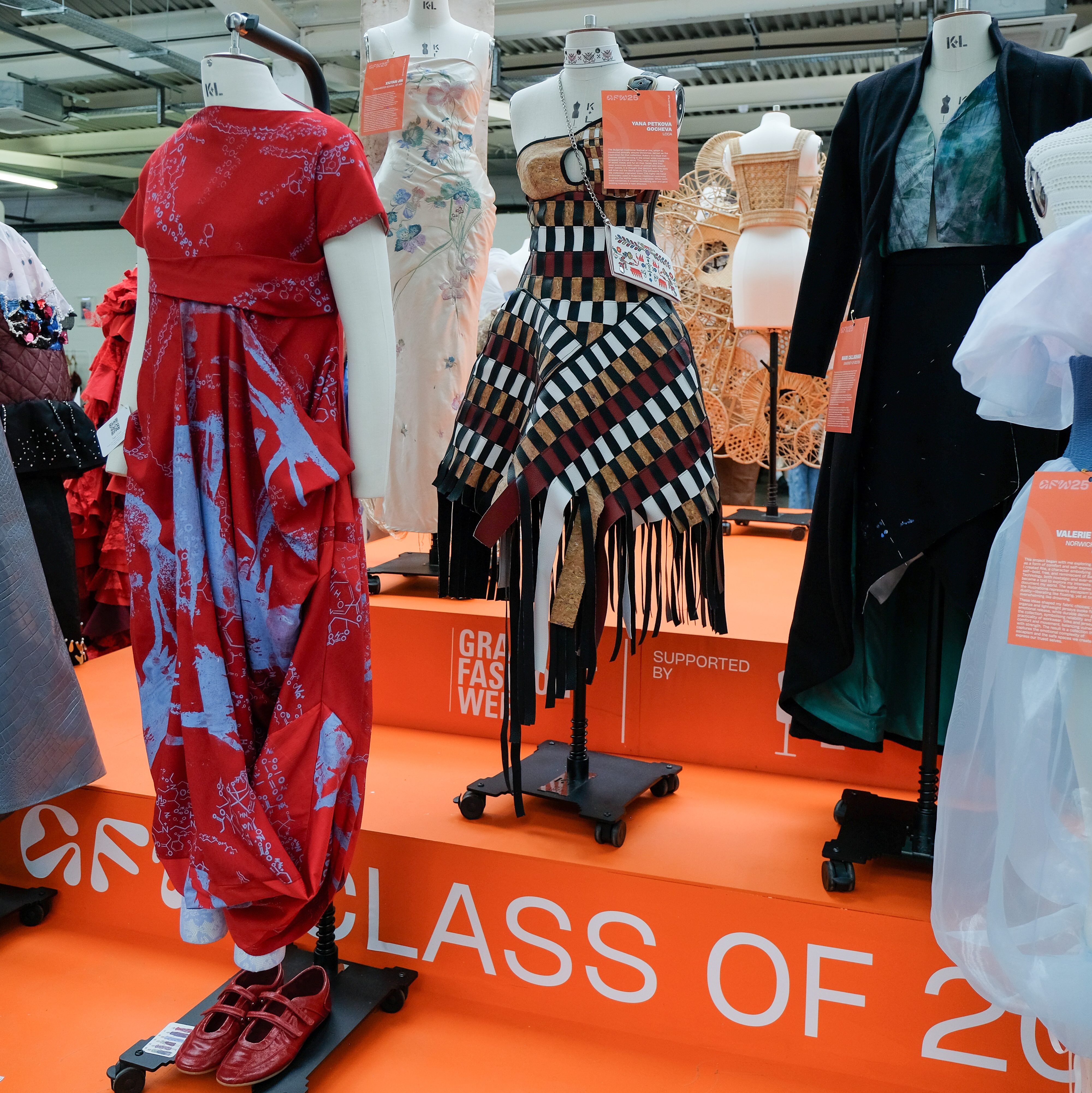
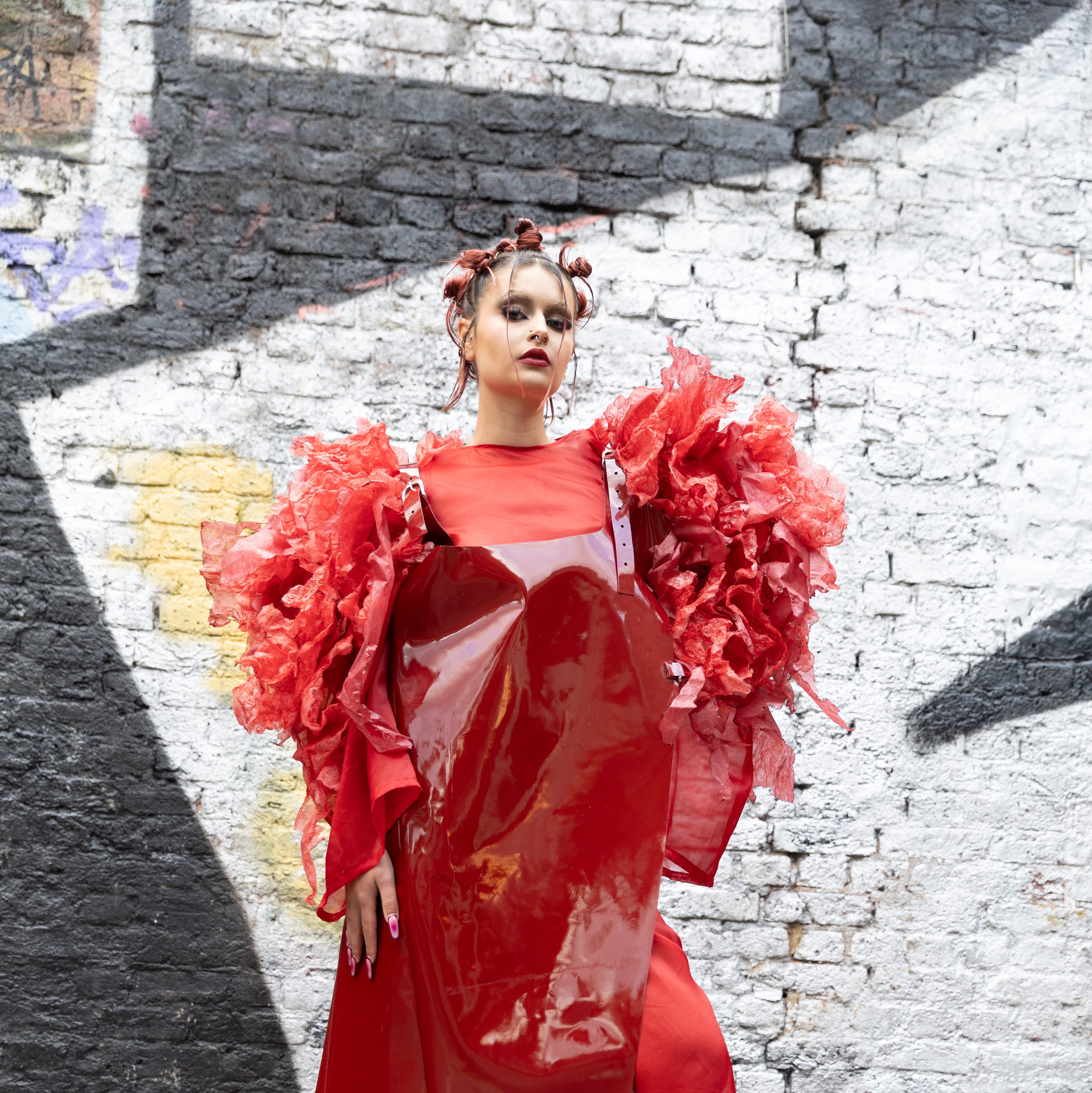

ENTRY AND ADMISSIONS
The standard entry requirements* for this course are one of the following:
112 UCAS tariff points from accepted qualifications*
Pass at Foundation Diploma in Art & Design (Level 3 or 4)
Distinction, Merit, Merit at BTEC Extended Diploma
Merit at UAL Extended Diploma
112 UCAS tariff points from an accredited Access to Higher Education Diploma in appropriate subject
27 points in the International Baccalaureate, see more information about IB entry requirements
And 4 GCSE passes at grade A*-C and/or grade 4-9 including English and Maths.
If your first language is not English, you will need an IELTS score of 6.0 or equivalent. If you require a visa to study in the UK, you will also need a minimum score of 5.5 in each individual component.
For this course, you’ll be invited to attend an Applicant Day and bring your portfolio for assessment. Further guidance on compiling your portfolio, including the specific requirements for examples of work, will be available on the Applicant Portal once you’ve applied.
At LCCA, we welcome students who are ready to move on from their current institute and find a new place to study.
All of our UCA-accredited undergraduate degrees offer the option of direct entry into the second year (Level 5) or third year (Level 6), depending on your existing qualifications.
To find out if you’re eligible for direct entry, simply contact us to discuss your admissions options.
Note:
*To see the accepted QCF qualifications, visit: http://uca.ac.uk/study/accepted-qualifications/
Other relevant and equivalent Level 3 UK and international qualifications are considered on an individual basis, and we encourage students from diverse educational backgrounds to apply.
** We occasionally make offers which are lower than the standard entry criteria, to students who have faced difficulties that have affected their performance and who were expected to achieve higher results. In these cases, a strong portfolio is especially helpful.