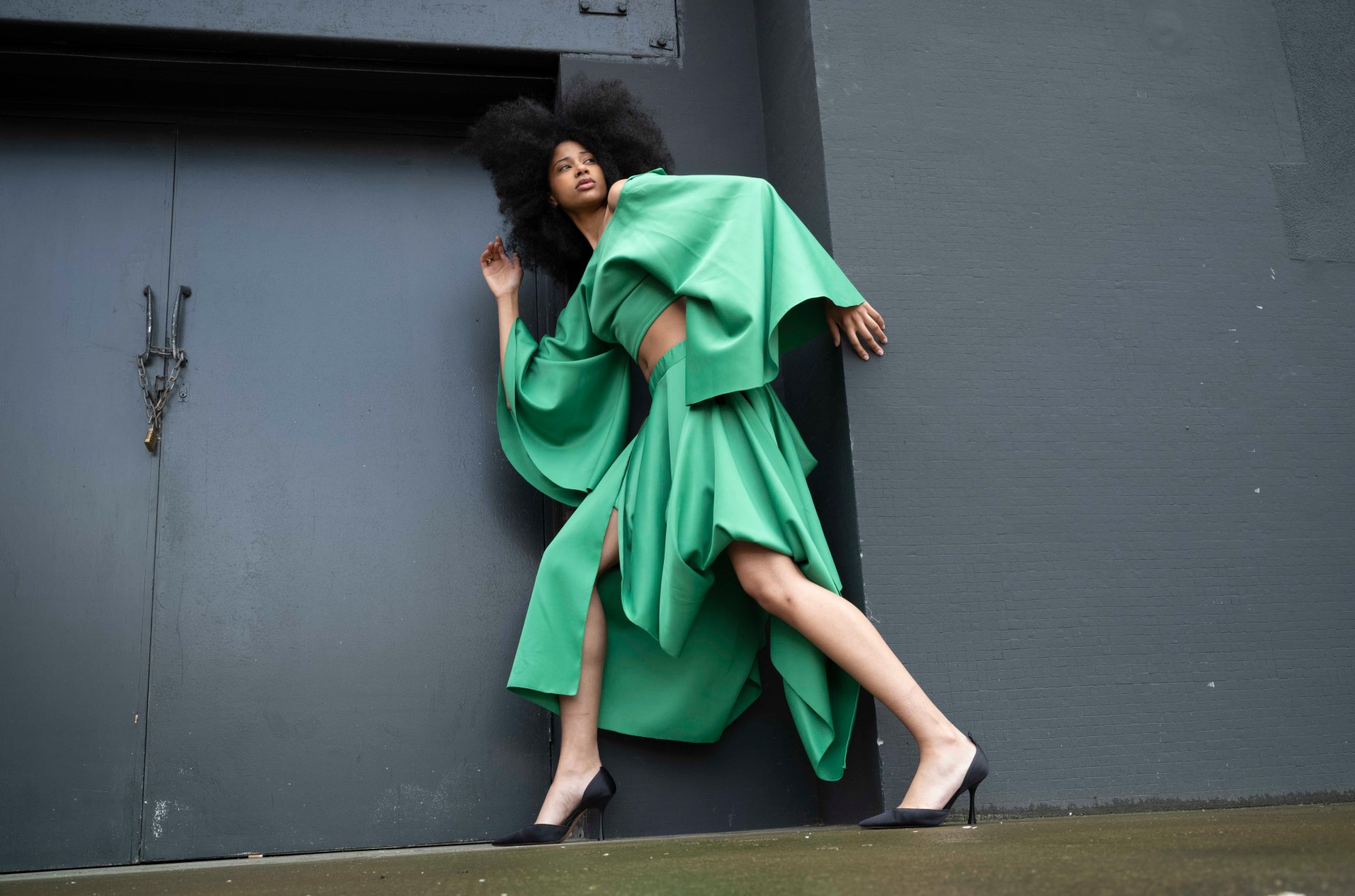






A fashion portfolio is one of the best ways to showcase your creativity, technical skills and design process. Whether you’re applying to university, preparing for industry opportunities or simply developing your work, a well-curated portfolio helps others understand your vision and how you work as a designer.
In this guide, we’ll cover what to include, how to build a fashion portfolio as well as some common mistakes to avoid so your strongest work stands out.
What is a fashion portfolio?
A fashion portfolio is a carefully curated collection of work that showcases your creative identity, technical ability and design process. You might be creating a portfolio for fashion university applications or professional opportunities. Either way, your fashion portfolio should communicate not only your finished designs, but also the process of exactly how you arrived at them.
The strongest fashion portfolios demonstrate:
- Your creative influences and research
- Your design process and problem-solving
- Your technical and creative skills
- Your individual perspective as a designer
What should a fashion portfolio include?
Every creative fashion portfolio should reflect the individuality of the designer behind it. While there’s no single formula, the best portfolios balance research, experimentation and final outcomes to show the full creative journey.
You might include:
- Mood boards and visual research
- Fashion illustrations and concept sketches
- Fabric swatches and textile experimentation
- Technical drawings or CAD work
- Garment development and sampling
- Final garments or collections
- Professional photography
- Sketchbook pages and annotations
Quick tip: Focus on selecting projects that best demonstrate your creativity, technical ability and how your ideas developed from concept to completion. If you’re struggling to choose, ask for feedback from family, friends, tutors or any industry contacts you may have.
How to build a fashion portfolio
Building a fashion portfolio takes time. Rather than trying to put everything together at the end of a project, document your ideas and creative process from the very beginning.
If you’re starting with a blank sketchbook and aren’t sure where to begin, our guide on how to start a creative portfolio from scratch offers practical advice for building a body of work before developing it into a fashion-specific portfolio.
Start with strong research
Fashion inspiration can come from anywhere – art, architecture, nature, music, culture, history or everyday life. Show where your ideas came from by including visual research, mood boards and references that influenced your designs.
Experiment with your ideas
Don’t be afraid to include unfinished work. Sketches, draping experiments, fabric testing and early concepts often reveal just as much about your creativity as the finished garment. Showing different iterations demonstrates curiosity and a willingness to explore new ideas.
Develop your designs
As your concepts evolve, document the progression. Whether you’ve refined a silhouette, reworked a pattern or experimented with different construction techniques, explaining these decisions help tell the story behind your work.
Choose quality over quantity
A smaller portfolio filled with thoughtful, well-developed projects will always have more impact than endless pages of similar work. Select pieces that best represent your creativity, technical skills and personal design style.
Photograph your work professionally
Take high quality photographs of garments, textiles and sketchbook pages in good lighting with clean backgrounds so every detail can be appreciated.
How to organise your digital fashion portfolio
Most universities and employers now expect a digital fashion portfolio, so clear organisation and presentation are just as important as the work itself.
Start with one of your strongest projects to make an impactful first impression. Arrange each project in a logical order, taking the viewer from research and experimentation through to the finished outcome. Keep your layouts, typography and image style consistent throughout, and avoid overcrowding pages with too much content.
Finally, edit critically. Removing weaker pages often makes a portfolio stronger, allowing your best work to stand out.
Common fashion portfolio mistakes to avoid
Even talented designers can weaken a great portfolio with poor presentation. Here are 5 common mistakes to avoid:
- Only showing finished garments without explaining your creative process.
- Including too much work instead of curating your strongest projects.
- Using low-quality photography that doesn’t do your work justice.
- Following trends too closely without showcasing your own creative perspective.
- Submitting your portfolio without asking for feedback from tutors or industry professionals.
Build your fashion portfolio with LCCA
At LCCA, fashion portfolio creation is a core part of our BA Fashion course. From your very first project, you’ll have opportunities to develop your work through live briefs, creative challenges and regular feedback from tutors and industry professionals. By graduation, you’ll leave with a portfolio that reflects both your creative identity and the skills you’ve built along the way.
If you’re thinking of applying to study with us, check out our Portfolio Advice page for more detailed guidance on preparing your portfolio, what to include and how to present your work with confidence.