




Think about the last game you played that really stayed with you. It probably wasn’t just the gameplay or story – it was the art style. The character designs, the colour palette, the landscapes, and how everything comes together to create a world that feels cohesive.
But before any of that is built in-engine, it begins with concept art. This is where artists explore visual direction and tone, shaping the foundation that guides the entire production process.
So, let’s take a look at what a concept artist does, the different types of concept art used across projects, and how it ultimately shapes a game’s visual identity.
What Is Concept Art in Game Development?
Concept art in game development is the early visual stage where ideas start to take shape in the form of art pieces. Before assets are built or levels are constructed, concept artists explore how a game should look and feel.
This can include character concept art, environment sketches, colour studies, lighting tests and mood pieces. Everyone on the development team needs to understand the visual identity of the game before production moves forward.
These days, development pipelines are faster than ever, with teams often collaborate globally, so strong game concept art helps avoid confusion and keeps projects visually consistent from the start.
What Does a Concept Artist Do?
A concept artist’s role goes beyond just illustrations. They translate ideas into visuals that become key reference points for modelling, animation and level design.
This often includes:
- Exploring multiple versions of a character before landing on a final design
- Testing silhouettes, costume details and colour palettes
- Designing environments that support gameplay and world-building
- Establishing lighting, composition and atmosphere to guide emotional tone
Concept artists need a strong foundation in core skills in game art, including drawing fundamentals, colour theory, composition, perspective and visual storytelling. They work closely with art directors, game designers and 3D artists, ensuring the visual identity stays consistent as production progresses.
Types of Concept Art Used in Games
Concept art isn’t one single output. Different stages of game development require different types of visual exploration.
Character Concept Art
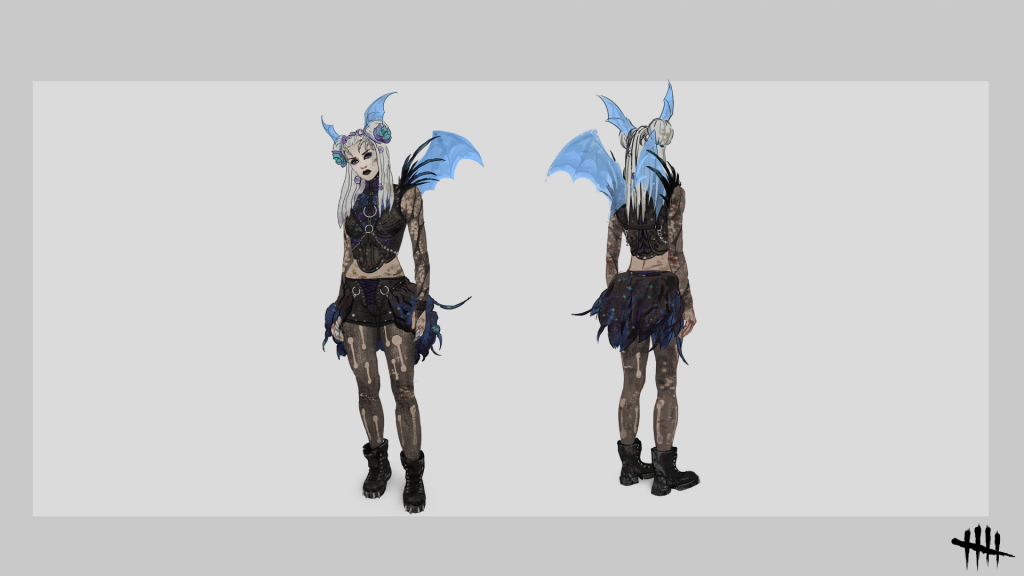
Character concept art focuses on designing the people or creatures that players interact with throughout gameplay.
Artists will experiment with different silhouettes, costumes and colours to ensure a character feels distinctive and aligned with the game’s tone. Strong character concept art helps establish personality visually, before animation or voice acting is added.
Environment Concept Art
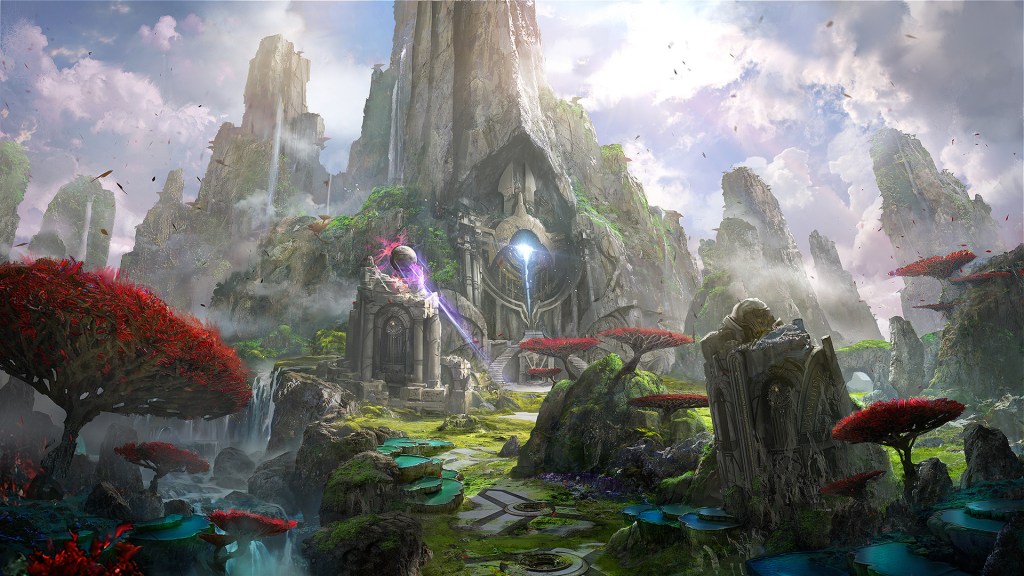
Environment concept art includes the landscapes, architecture and interior spaces players will explore in a game. These early visuals establish scale and atmosphere to support immersion and make the game’s world feel alive.
Prop and Asset Concept Art
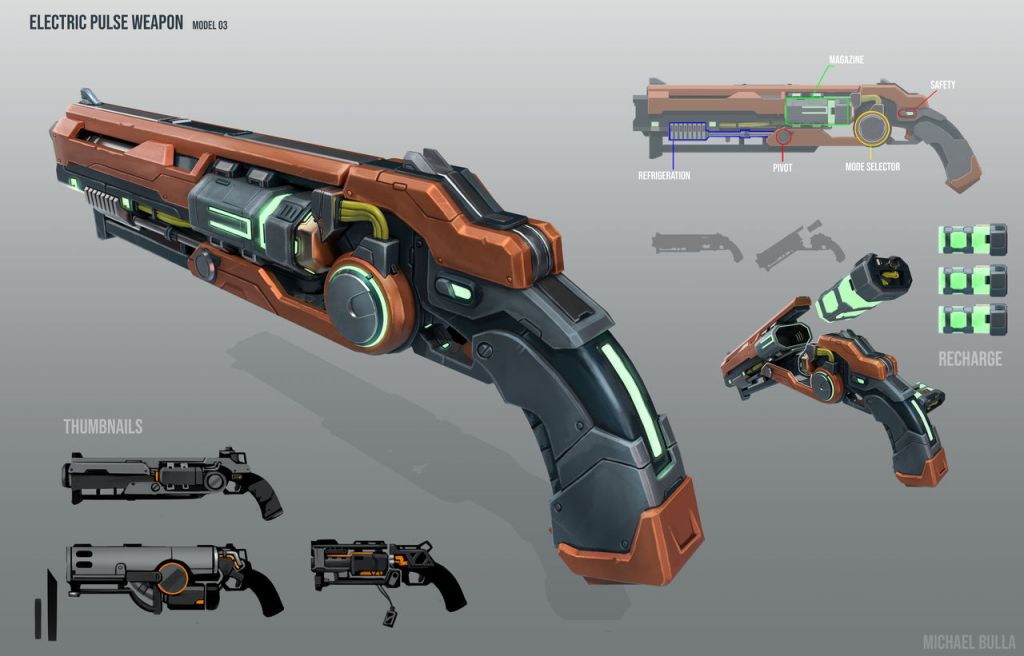
Weapons, tools, vehicles and other objects also go through concept stages. Prop and asset concept art ensures every minor detail aligns with the broader art style.
UI and Mood Art
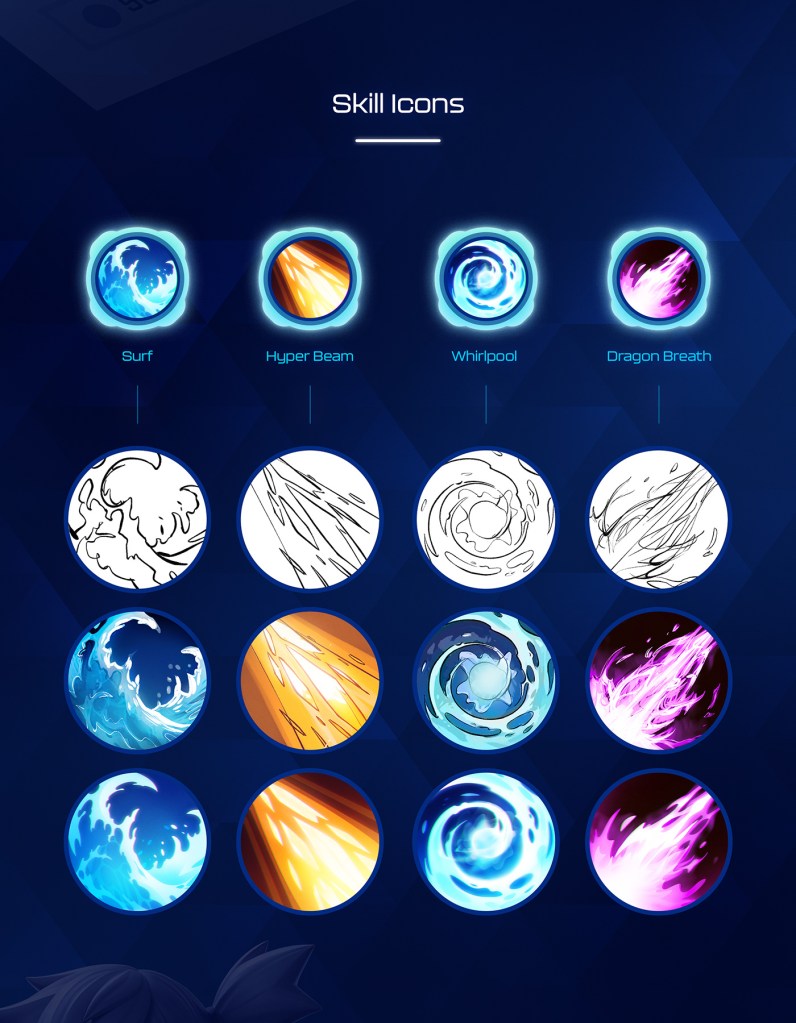
User interface design is part of video game art too. Menus, heads-up display systems, and overlays should reflect the same visual feel as the characters and environments.
How Concept Art Shapes a Game’s Visual Identity
Concept art shapes the visual identity of a game in three key ways.
- Establishing Consistency
Concept art defines the visual rules of a project including colour palettes, materials, shape language and lighting direction. This keeps game developers aligned and prevents stylistic clashes.
- Supporting Visual Storytelling
Visual design choices communicate narrative context. Architecture, costume and environmental details all contribute to world-building outside of dialogue and narrative story beats.
- Guiding Production
Once approved, game concept art becomes a key reference for 3D artists, animators and level designers. It reduces guesswork and keeps the production pipeline efficient.
How to Get Into Concept Art
If you’re interested in concept art, focus on building strong fundamentals first. Drawing skills, perspective, colour theory and composition are essential, but so is understanding how art fits into the wider game development pipeline.
Start by:
- Practising character and environment studies
- Reworking existing game worlds in your own style
- Creating mood boards and colour scripts to explore tone
- Building a portfolio that shows process, not just polished pieces
If you’re serious about developing your skills in game art, structured learning can help you refine technique, understand industry workflows and build a professional portfolio. Courses focused on game art provide insight into how visual identity is developed within real production environments.
FAQs
What skills are needed to become a game concept artist?
To become a game concept artist, you need strong drawing fundamentals, including perspective, composition and colour theory. Visual storytelling and an understanding of design principles are equally important. You should also be confident using digital tools and understand how concept art fits into the wider game development process.
How early is concept art created in game development?
Concept art is created during the pre-production stage of game development. It helps define the visual identity, tone and art style of a project before assets are modelled or environments are built in-engine. This early direction guides the rest of the production pipeline.
What is the difference between concept art and final game art?
Concept art focuses on exploration and direction. It tests ideas, designs and visual styles. Final game art consists of production-ready assets, such as 3D models built, using approved concepts as a guide.
4. How does concept art influence a game’s visual identity?
Concept art influences a game’s visual identity by defining its art style, colour palette and overall aesthetic direction. From character concept art to environment design, these early visuals create the framework that keeps the game cohesive.