





As the fashion industry moves further into 2026, brands are rethinking how they operate and connect with consumers.
According to The State of Fashion 2026 report by Business of Fashion and McKinsey & Company, three forces are shaping how fashion businesses will operate in 2026: AI, the wellbeing era and the rise of resale. These shifts are influencing everything from production and marketing to brand identity and long-term strategy.
So, here’s exactly how these trends are showing up in practice across the industry right now, and why they’re worth paying attention to.
AI Is Changing How Fashion Businesses Operate
AI is becoming a core business tool across the fashion industry, but it’s more exciting than you might think. In 2026, it’s built into everyday operations to support faster decision-making and more efficient and creative ways of working.
Fashion brands are increasingly using AI across areas including:
Demand forecasting and assortment planning: helping buyers predict what will sell
Supply chain and operations: identifying risks and improving efficiency
Marketing and content: analysing performance and supporting ideation
Strategy and planning: replacing manual data analysis with automated insights
That’s not to say that AI is replacing creative roles, but it is changing how decisions are made. For students interested in fashion business management, understanding how digital tools influence strategy, growth and customer demand is becoming increasingly important.
Case Study: The Fabricant
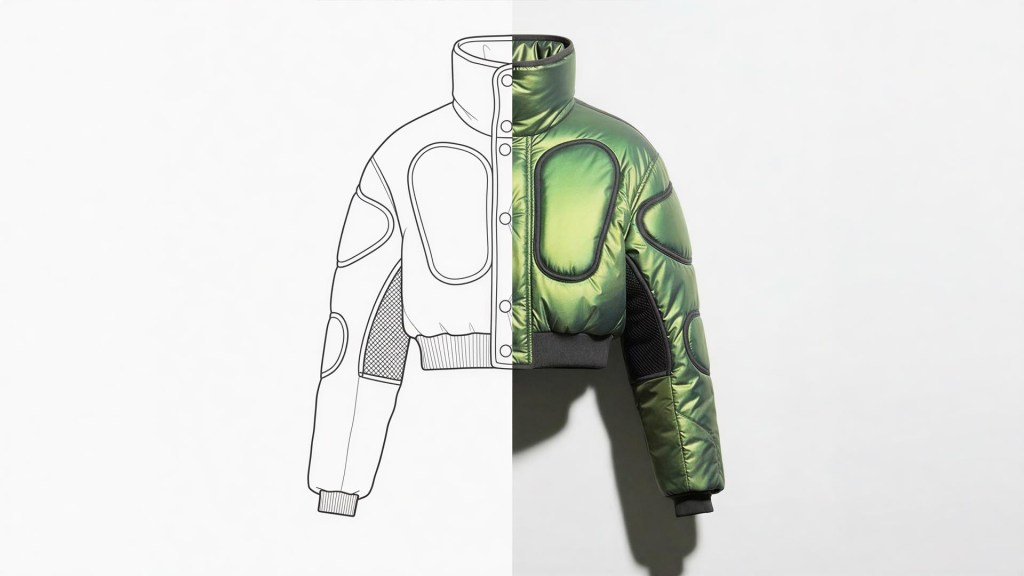
The Fabricant is a digital fashion house that uses AI-powered tools to design clothing for virtual spaces, while also supporting physical fashion production. Instead of starting with physical garments, designs are created and tested digitally first.
One of the key ways this works is through the use of digital twins – aka: AI-driven virtual versions of garments. These allow brands to test fit, shape and detailing on screen before anything is made in real life. Changes can be made quickly, without the need to produce multiple physical samples.
By using AI in this way, The Fabricant gives brands more freedom to experiment with their designs, while reducing time, cost and material waste. It’s a good example of how AI is already being used in fashion operations to support creativity and smarter decision-making at the same time.
Why Fashion Brands Are Focusing on Wellbeing
In 2026, wellbeing has moved far beyond the idea of a simple spa appointment. It’s now about looking after both our internal and external worlds – from physical and mental health to the values that shape how we live and feel good day to day.
This shift is changing how people connect with brands. The State of Fashion 2026 report found that being part of a like-minded brand community can create stronger customer loyalty than tactics like influencer marketing. As a result, consumers are paying closer attention to a brand’s values, ethics and how it fits into their everyday lives.
In response, more fashion brands are expanding their operations beyond simple retail, building wider ecosystems around care, craft and connection rather than focusing on products alone.
Case Study: Story mfg.
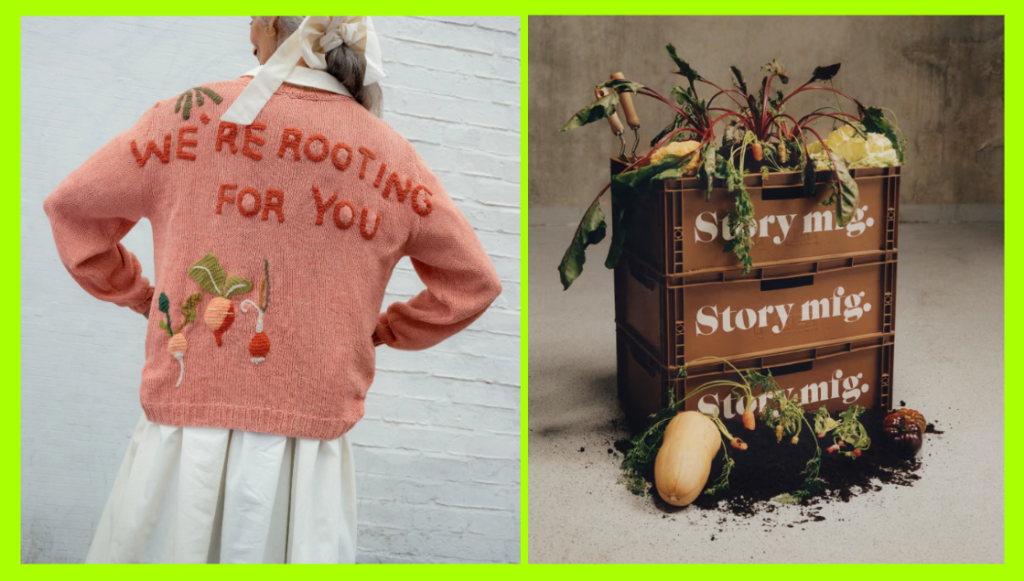
Story mfg. is a London-based fashion brand that builds wellbeing directly into how it operates. Rather than centring its identity around trends or seasonal drops, the brand focuses on care for people, materials and the wider environment.
A big part of this comes through its Positive Product Manifesto, which sets out how the brand approaches fashion in practice. This includes supporting artisan craft and creative communities, using regenerative agriculture and natural dye processes, and thinking carefully about how clothing material contributes to skincare.
Story mfg. shows how wellbeing can shape a fashion brand beyond aesthetics. Clothing becomes part of a wider ecosystem built around values, ethics and long-term care, rather than just a product designed to be replaced each season.
Why Fashion Brands Are Rethinking Resale
Resale has become a normal part of how people engage with fashion. Platforms like Vinted and Depop have made buying and selling second-hand feel everyday rather than alternative.
This shift shows that resale is no longer just about what happens after a purchase. For fashion brands, it has real implications. As fewer consumers rely solely on buying new, brands are having to find new ways to engage customers, maintain revenue and stay relevant over time.
Because of this, resale culture is now influencing how brands think about growth, customer relationships and the full lifecycle of a product, including how to keep customers connected to the brand itself, rather than losing that relationship to third-party resale platforms.
Case Study: TOAST Reworn
Toast is a British fashion and lifestyle brand known for timeless design, quality materials and clothing made to last. Rather than chasing fast trends, the brand focuses on longevity which inspired its move to build resale into its business operations.
Through its Toast Reworn initiative, customers can return pre-owned Toast garments directly within the brand’s own ecosystem. Items are authenticated and reintroduced into circulation, keeping them in use for longer and within the Toast community. By handling resale in-house, Toast stays connected to customers beyond the original purchase and keeps control of how its products are valued and represented.
The fashion industry is changing how it works, and that’s changing what it expects from new talent. Brands are looking for people who understand how fashion operates behind the scenes, not just how it looks on the surface.
What You Need to Know
Knowing how AI affects planning and marketing, how brands build communities around values, or how resale fits into long-term growth gives you a much clearer picture of how the industry actually runs. These are the kinds of skills that shape decisions, influence strategy and open the door to roles beyond entry-level creative work.
If you want to work in fashion long term or maybe even start your own fashion business, learning how brands think, adapt and grow is becoming just as important as knowing trends or aesthetics.
FAQs
What AI tools are being used in the fashion industry?
Fashion brands use AI tools for demand forecasting, assortment planning, supply chain optimisation, customer data analysis and content performance tracking. AI is also used in virtual prototyping, digital twins and AI-powered shopping tools that help predict resale value or personalise recommendations.
How do fashion brands create emotional connection?
Fashion brands build emotional connection through shared values and community. This includes focusing on wellbeing, ethics, transparency and creating spaces or platforms where customers feel aligned with the brand, rather than relying only on influencer marketing.
Is resale bad for fashion brands?
Resale isn’t bad for fashion brands, but it’s changing how they operate. When managed well, resale can extend product lifespan, strengthen customer relationships and support long-term growth, especially when brands build resale into their own operations.